Introduction
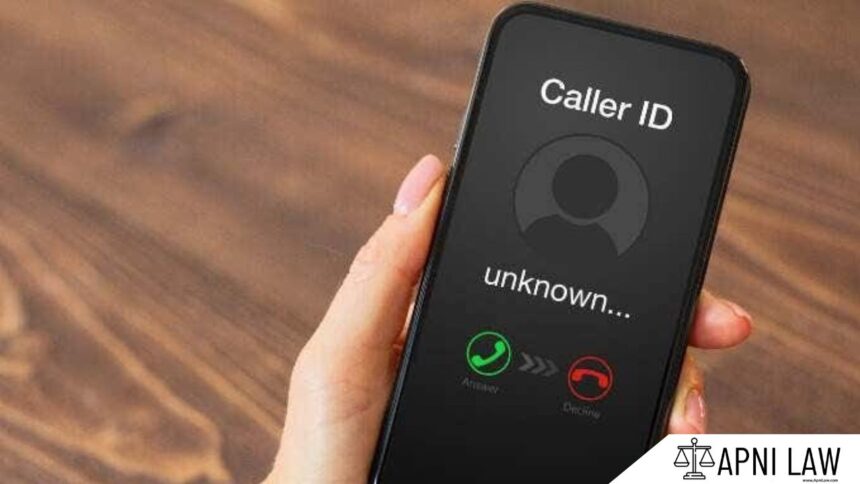
Fake call frauds, commonly known as vishing (voice phishing), involve fraudsters making phone calls while pretending to be bank officials, government authorities, insurance representatives, telecom executives, police officers, cybercrime officers, or customer care agents. The objective of these calls is usually to obtain confidential information, banking credentials, OTPs, card details, passwords, or money from unsuspecting individuals.
Fraudsters often create a false sense of urgency by claiming that a bank account will be blocked, a SIM card will be deactivated, a loan has been approved, a reward has been won, or a criminal case has been registered against the victim. Once the victim shares sensitive information or transfers money, the fraudsters misuse the details to commit financial fraud.
What Provisions Apply To Fake Call Frauds In India?
Fake call frauds may attract liability under several provisions of the Information Technology Act, 2000 and the Bharatiya Nyaya Sanhita, 2023.
Section 43 of the Information Technology Act, 2000 deals with unauthorized access to computer resources and misuse of electronic information. Section 66 provides punishment where such acts are committed dishonestly or fraudulently. Section 66C relates to identity theft involving misuse of passwords, digital signatures, OTPs, or other unique identification information. Section 66D specifically deals with cheating by personation using computer resources and communication devices. Depending on the nature of the fraud, provisions relating to cheating, impersonation, forgery, criminal intimidation, extortion, and dishonest inducement under the Bharatiya Nyaya Sanhita, 2023 may also apply.
What Are Common Types Of Fake Call Frauds?
Fake call frauds may occur in several forms. Fraudsters may pretend to be bank officials and ask for OTPs, PINs, CVV numbers, internet banking credentials, or debit card details. They may falsely claim that KYC verification is pending or that the account will be suspended unless immediate action is taken.
In some cases, callers impersonate insurance company representatives and falsely promise bonus payments, policy upgrades, loyalty benefits, refunds, or policy corrections. Victims are then persuaded to transfer money or disclose confidential financial information.
Fraudsters may also impersonate police officers, cybercrime officials, CBI officers, telecom regulators, or government authorities and threaten legal action, arrest, account freezing, or criminal investigation. Such scams are often referred to as “digital arrest” or fake authority scams.
How Can A Person Identify A Fake Call?
Several warning signs may indicate a fake call. The caller may create panic, demand immediate action, ask for OTPs or passwords, request remote access to devices, insist on secrecy, or threaten legal consequences if instructions are not followed. Legitimate banks and government authorities generally do not ask customers to disclose confidential banking credentials over phone calls.
Victims should be cautious if they receive calls asking for Aadhaar details, PAN information, debit card numbers, CVV numbers, internet banking passwords, or OTPs. Such requests are commonly associated with fraudulent activities.
What Should A Person Do Immediately After Receiving A Fraudulent Call?
A person who suspects a fake call should immediately disconnect the call and avoid sharing any personal, banking, or financial information. If confidential information has already been disclosed, the individual should immediately contact the concerned bank, block cards or internet banking access, and change passwords.
The victim shall preserve evidence such as call recordings, phone numbers, screenshots, SMS messages, transaction details, emails, and chat records connected with the fraud. These records may assist investigating agencies during inquiry and prosecution.
How To File A Complaint Against Fake Call Frauds?
A complaint regarding fake call fraud may be filed through the National Cyber Crime Reporting Portal or by contacting the Cyber Crime Helpline at 1930. Prompt reporting is important, especially in cases involving unauthorized financial transactions, as early intervention may help authorities trace or freeze fraudulent transfers.
The victim may also submit a written complaint before the nearest Cyber Crime Police Station or local police station. The complaint should clearly mention the caller’s phone number, details of the conversation, transaction information, dates, amounts involved, and any supporting evidence available.
What Documents Are Commonly Required?
The complainant may generally be required to submit identity proof, bank account details, account statements, transaction records, screenshots of messages, call logs, complaint acknowledgments from the bank, copies of suspicious emails or SMS messages, and any evidence relating to the fraudulent call. Additional documents may be required depending on the nature of the fraud and the requirements of the investigating authority.
What Happens After Filing The Complaint?
After receiving the complaint, the cybercrime authorities may conduct a preliminary inquiry and collect digital evidence relating to the fraud. Investigators may seek information from banks, telecom operators, payment service providers, and other intermediaries to identify the persons involved and trace the movement of funds.
Where sufficient evidence is found, criminal proceedings may be initiated under the Information Technology Act, 2000 and other applicable criminal laws. Investigating agencies may also coordinate with financial institutions to prevent further misuse of accounts and banking credentials.
How Can Fake Call Frauds Be Prevented?
Individuals should never share OTPs, passwords, PINs, CVV numbers, internet banking credentials, or sensitive personal information over phone calls. Bank websites should always be accessed directly by typing the official URL instead of clicking links received through calls, SMS messages, or emails.
Users should regularly update passwords, enable multi-factor authentication, monitor account activity, verify suspicious communications independently, and report fraudulent calls immediately to the concerned institution. Maintaining awareness of common scam techniques remains one of the most effective methods of preventing financial fraud.
Conclusion
Reporting fake call frauds helps law enforcement agencies identify fraud networks, prevent further victimization, trace financial transactions, and initiate criminal proceedings against offenders. Early reporting also increases the possibility of preventing financial losses and recovering misappropriated funds before they are transferred through multiple accounts.
Timely complaints further support cybercrime investigations and strengthen enforcement efforts against organized fraud operations that target individuals through deceptive phone calls and digital communication channels.