Introduction
The Parliament of India stands at the heart of the country’s democratic framework. It creates laws, represents citizens, and ensures accountability of the government. Many people assume that Parliament consists only of elected lawmakers. However, the Constitution adopts a broader and more inclusive structure. Parliament includes the Lok Sabha, the Rajya Sabha, and the President of India. Together, they form the sovereign legislative body of the Union, combining representation, federal balance, and constitutional oversight.
Understanding this structure is important for students, UPSC aspirants, and anyone interested in how the Indian government functions. The Lok Sabha represents the voice of the people. The Rajya Sabha protects federal interests and brings experience and continuity. The President performs essential constitutional duties that make the law-making process complete and legitimate. Each of these three components plays a unique role, and together they form a system designed to ensure democracy, accountability, and stability.
This article explains the composition, structure, and constitutional role of each wing of Parliament. It breaks down Articles, membership rules, powers, and the real-world relevance of each house and the President. By the end, you will understand how India’s Parliament actually works.
Meaning of Parliament Under the Constitution
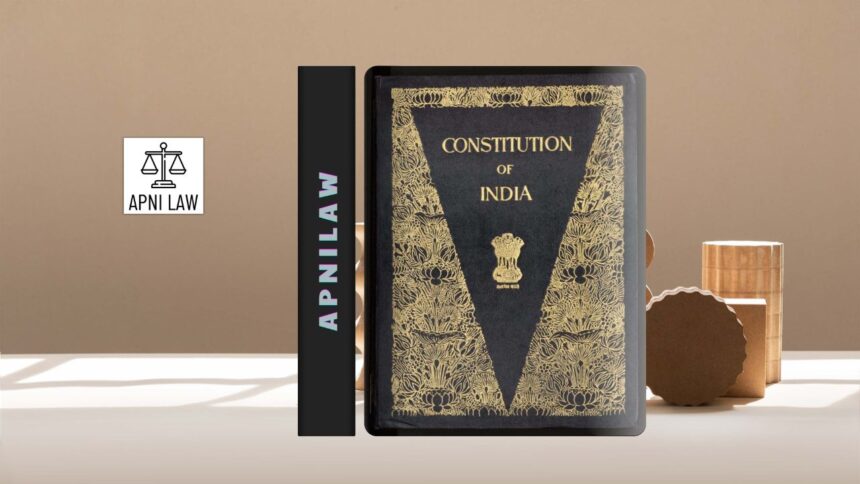
Article 79 of the Constitution states that the Parliament of India consists of the President, the Council of States (Rajya Sabha), and the House of the People (Lok Sabha). This structure ensures that law-making involves both democratic representation and constitutional approval. Although the President is not a member of either House, the President forms an essential part of Parliament because no bill becomes law without presidential assent.
Lok Sabha: The House of the People
The Lok Sabha is the directly elected house and reflects the democratic character of the Indian political system. Citizens elect its members during the general elections held every five years. The maximum strength of the Lok Sabha is 552 members. Out of these, 530 represent the states, 20 represent the Union Territories, and two members may be nominated from the Anglo-Indian community if such representation becomes necessary. Currently, the House functions with 543 elected members.
The tenure of the Lok Sabha remains five years unless dissolved earlier. During a national emergency, its term can be extended, though only for one year at a time. The Lok Sabha holds greater powers than the Rajya Sabha in financial matters and in controlling the executive. The Council of Ministers remains collectively responsible to the Lok Sabha, making it the core of the parliamentary executive system.
The Lok Sabha elects its own Speaker. The Speaker presides over the sittings, ensures discipline, conducts debates, and certifies Money Bills. The Lok Sabha also has a Deputy Speaker who performs these functions when required.
Role and Powers of the Lok Sabha
The Lok Sabha has a wide range of legislative, financial, and executive powers. It introduces and passes Ordinary Bills. It has the exclusive power to introduce Money Bills. The Budget must be approved by the Lok Sabha because it represents the taxpayers. The House exercises control over the executive through debates, motions, and the no-confidence motion. A government cannot survive without the support of the Lok Sabha.
In addition, the Lok Sabha participates in constitutional amendments and has the power to remove the Speaker, the Deputy Speaker, and even the Council of Ministers through political accountability.
Rajya Sabha: The Council of States
The Rajya Sabha represents the states and the union territories. Its purpose is to protect federal interests and contribute to law-making with experience and continuity. Article 83 provides that the Rajya Sabha is a permanent house. It never dissolves, but one-third of its members retire every two years. This rotation ensures stability in the legislative process.
The maximum strength of the Rajya Sabha is 250 members. Out of these, 238 are elected by the elected members of the State Legislative Assemblies using the proportional representation system. The President may nominate 12 members from fields like literature, science, social service, and the arts. This provides expertise in legislative discussions.
Role and Powers of the Rajya Sabha
The Rajya Sabha participates in law-making equally with the Lok Sabha, except in financial matters where the Lok Sabha has overriding powers. It can introduce and pass Ordinary Bills. It discusses national policies, reviews decisions, and ensures that federal concerns are represented. It can also pass resolutions empowering Parliament to legislate on State List subjects when it considers this necessary in national interest.
The Rajya Sabha elects a Deputy Chairman to conduct its sittings. The Vice President of India functions as the ex-officio Chairman of the Rajya Sabha. This structure is unique because it blends executive and legislative authority at the federal level.
Although the Rajya Sabha cannot pass a no-confidence motion, it plays an important role in keeping the government accountable through debates and committee work. Its members often contribute intellectual depth and experience to law-making.
The President as a Component of Parliament
The President forms an integral part of Parliament even though the President is not present during its daily proceedings. Several constitutional functions make the President an essential legislative authority. No bill becomes an Act until the President gives assent. The President summons and prorogues sessions of Parliament and may dissolve the Lok Sabha. The President also addresses the first session of Parliament after general elections and at the start of every year, outlining government policies.
The President may send back a bill for reconsideration, except in the case of Money Bills. The President may withhold assent, give assent, or suggest changes. Through these powers, the President ensures that laws reflect constitutional principles.
How All Three Components Work Together
Law-making begins in either House. Once a bill passes both Houses, it is sent to the President. The President examines the bill and takes action under Article 111. Once assent is granted, the bill becomes law. If the Houses disagree, a Joint Sitting may be called. Money Bills originate only in the Lok Sabha, but the Rajya Sabha reviews them, though its recommendations are not binding. The President must give assent to Money Bills because they relate to taxation and public expenditure.
Through this process, the two Houses and the President combine popular representation, federal safeguards, and constitutional oversight. This structure avoids concentration of power and strengthens democratic checks and balances.
FAQ Section
What is the constitutional basis of the Parliament’s composition?
Article 79 defines Parliament as consisting of the President, the Lok Sabha, and the Rajya Sabha.
Why is the President part of Parliament even without being a member?
The President’s assent is necessary for bills to become laws, and the President performs essential legislative functions such as summoning sessions and addressing Parliament.
Which House is more powerful, the Lok Sabha or the Rajya Sabha?
The Lok Sabha has greater authority in financial matters and in controlling the government. However, both Houses enjoy equal power in most legislative matters.
Why is the Rajya Sabha a permanent body?
The Rajya Sabha ensures continuity in law-making. It never dissolves, which stabilizes the parliamentary process.
How are laws made jointly by the Lok Sabha, Rajya Sabha, and President?
Both Houses pass a bill, and the President gives assent. Once this process is complete, the bill becomes an Act of Parliament.
Conclusion
The composition of Parliament reflects the constitutional vision of balancing representation, federalism, and accountability. The Lok Sabha brings the collective will of the people. The Rajya Sabha protects the interests of states and provides continuity and expertise. The President ensures constitutional oversight and formal approval to the law-making process. Together, they create a Parliament that can represent diverse voices and maintain democratic stability.
Understanding this structure is essential for anyone studying Indian polity or public administration. If you need expert insights on constitutional matters or legislative procedures, consider consulting legal professionals at ApniLaw for clear, reliable guidance.
For any specific query call at +91 – 8569843472