Jabalpur Bench issues 48-hour order in PIL alleging social media clips and reels distort judicial live streams and offend court dignity.
JABALPUR, January 12, 2026: The Madhya Pradesh High Court has ordered YouTube and Instagram to block online links that allegedly misuse live-streamed court proceedings, responding to a Public Interest Litigation (PIL) claiming that clips from judicial livestreams were being repurposed as reels, memes and shorts in ways that undermine the dignity of the court.
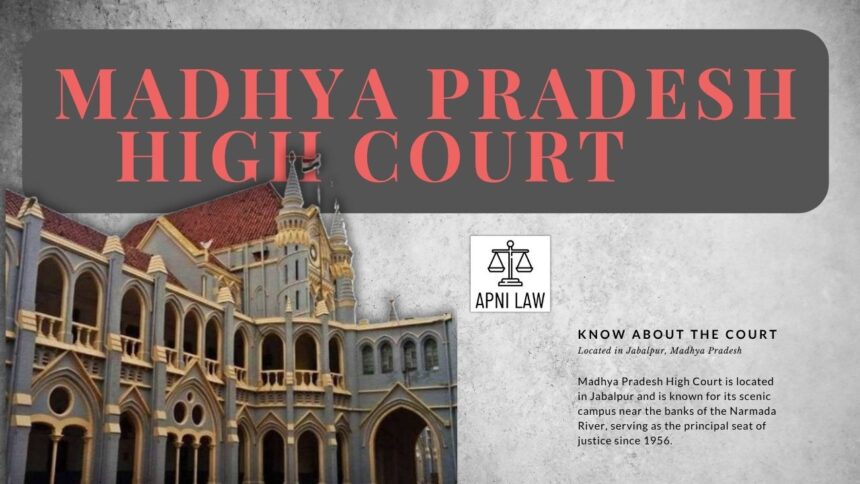
The directive was issued today by a Division Bench comprising Chief Justice Sanjeev Sachdeva and Justice Vinay Saraf of the High Court’s Jabalpur Bench. The order requires the platforms to block access to offending URLs within 48 hours. The case is titled Arihant Tiwari & Ors. v. Union of India & Ors.
Background of the Petition
The PIL filed before the High Court raised concerns about the misuse of publicly streamed court proceedings, especially through clips and edited videos shared on social media, which the petitioner alleged were detrimental to the image of the judiciary. The petition particularly targeted content circulating on YouTube and Instagram, including short video formats that often lack context and may include commentary or captions perceived as offensive.
Arguments before the Court highlighted that while live streaming of court proceedings promotes transparency and public access, the unauthorised editing and distribution of such content into entertainment formats like memes and reels have distorted the portrayal of judicial functionings and attracted reactions that could affect public perception of the judicial process.
Legal Issue
The central legal issue before the High Court was whether digital platforms could be directed to restrict access to specific URLs hosting live-stream snippets that were being reused in ways claimed to be unauthorised and offensive, bridging the tension between open court transparency and safeguards against misuse of livestreamed material.
This issue arises against the backdrop of Madhya Pradesh Live Streaming and Recording Rules, 2021, which govern the live streaming of court proceedings and prohibit unauthorised copying, morphing, or commercial reuse of live content in a manner that could compromise the dignity of court proceedings.
Court’s Order and Directions
In today’s order, the High Court mandated that:
- YouTube and Instagram block links and URLs that host videos and short clips derived from live court proceedings which are alleged to be misused in reel and meme formats within the next 48 hours.
- The order reflects judicial concern that such content could be distorting judicial proceedings and circulating without adequate context, potentially attracting misleading commentary.
Although the full detailed reasons of the bench will be reflected in the written order, the High Court’s interim direction aligns with previous judicial observations in the state about preventing unauthorised editing and inappropriate use of livestream content.
Arguments on Both Sides
The petitioner’s argument framed the issue as one of preserving courtroom dignity and integrity, asserting that reels and edited clips often lacked context and invited derisive commentary about judges, lawyers, or litigants. References were made to prior judicial concerns over the way live court streams were repurposed on various social media platforms.
Defence counsel for the platforms, while not detailed in the public order, generally centers on issues of intermediary liability provisions under the Information Technology Act, free speech considerations and procedural safeguards before ordering takedowns, matters that courts in other jurisdictions have grappled with in knock-on cases about de-platforming contested content online.
Practical Implications
- The order signals the High Court’s assertive stance on digital content that originates from court livestreams, aiming to curtail distorted online use that may affect public understanding of judicial processes.
- Platforms like YouTube and Instagram will now face judicially mandated compliance obligations to identify and block specific social media URLs linked to the unauthorised usage of judiciary livestream content.
- The case may add to the evolving jurisprudence on how courts in India balance open access to justice and digital transparency with controls against misuse of official material and reputational concerns.
- It could prompt further legal challenges and clarifications on intermediary liability and content removal procedures under Indian IT and intermediary law frameworks.
The Court’s next hearing on the matter is expected to further scrutinise how such livestream content should be regulated and the framework for policing digital reuse without undermining public access to court hearings.