By using this site, you agree to the Privacy Policy and Terms of Use.
Accept
ApniLawApniLawApniLaw
  • Home
  • Find a Lawyer
  • Our Services
  • Law Forum
  • Legal News
  • Judgments
  • Knowledge Hub
    • Bare Acts
      • BNS
      • BNSS
      • BSA
      • CrPC
      • CPC
      • DPDP
      • Hindu Marriage Act
      • Hindu Succession Act
      • The Hindu Adoptions And Maintenance Act
      • The Hindu Minority and Guardianship Act
      • IPC
      • Juvenile Justice Act
      • POCSO
      • Special Marriage Act
      • The Specific Relief Act
    • Supreme Court
    • High Court
    • Legal Articles
    • UPSC
    • Job Updates
    • Marriage and Divorce
    • Land Dispute & Will
    • Civil
    • Criminal
  • About Us
Reading: Dowry Demand Not Necessary To Prove Cruelty Under Section 498A IPC: Supreme Court
Share
Notification Show More
Font ResizerAa
ApniLawApniLaw
Font ResizerAa
  • Home
  • Find a Lawyer
  • Our Services
  • Law Forum
  • Legal News
  • Judgments
  • Knowledge Hub
  • About Us
  • Home
  • Find a Lawyer
  • Our Services
  • Law Forum
  • Legal News
  • Judgments
  • Knowledge Hub
    • Bare Acts
    • Supreme Court
    • High Court
    • Legal Articles
    • UPSC
    • Job Updates
    • Marriage and Divorce
    • Land Dispute & Will
    • Civil
    • Criminal
  • About Us
Have an existing account? Sign In
Follow US
  • Advertise
© 2022 Foxiz News Network. Ruby Design Company. All Rights Reserved.
ApniLaw > Blog > News > Criminal > Dowry Demand Not Necessary To Prove Cruelty Under Section 498A IPC: Supreme Court
CriminalMarriage and DivorceNewsSupreme CourtWomen Rights

Dowry Demand Not Necessary To Prove Cruelty Under Section 498A IPC: Supreme Court

Amna Kabeer
Last updated: June 22, 2025 3:04 pm
Amna Kabeer
2 years ago
Share
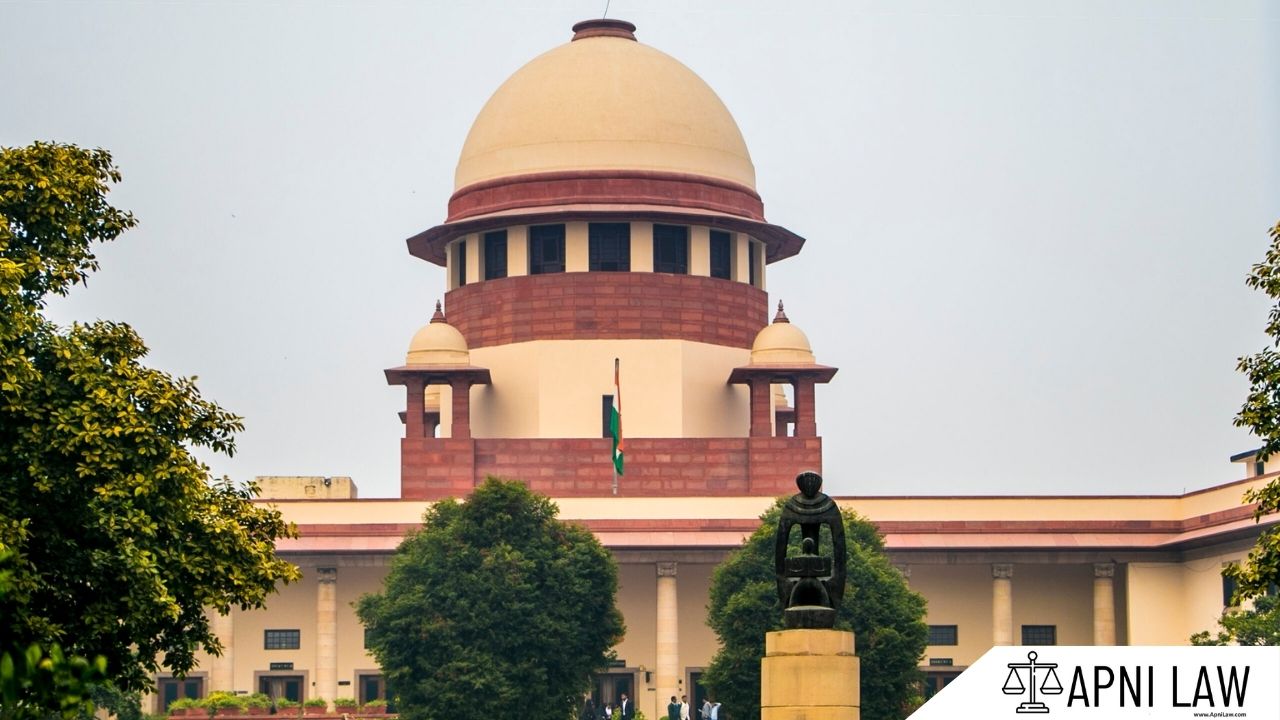
Supreme Court of India
SHARE

The Supreme Court has ruled that a dowry demand is not a prerequisite to establish the offence of cruelty under Section 498A of the Indian Penal Code (IPC). The Court clarified that the provision recognizes two distinct forms of cruelty: physical or mental harm and harassment intended to coerce a woman into meeting unlawful demands for property or valuable security.

Contents
Cruelty Beyond Dowry DemandCase BackgroundSupreme Court’s Ruling


Cruelty Beyond Dowry Demand


The Court observed that while both forms of cruelty can coexist, the absence of a dowry demand does not negate the application of Section 498A in cases involving mental or physical harassment. The Bench of Justices Vikram Nath and Prasanna B. Varale emphasized that the core element of the offence lies in the act of cruelty itself and is not solely linked to dowry demands.
As per the explanation under Section 498A IPC, cruelty includes:
Wilful conduct likely to drive a woman to suicide or cause grave harm to her mental or physical health.
Harassment to force a woman or her relatives to meet unlawful demands.
The Court clarified that these two clauses must be read separately. Relying on the precedent set in U. Suvetha v. State (2009) 6 SCC 757, the Court reiterated that either form of cruelty is sufficient to invoke Section 498A.

ApniLaw AI

Need the case law behind this point?

Ask ApniLaw AI in plain words. Every point of the answer shows the judgment paragraph or Act section behind it, with its page and paragraph number.

Explore ApniLaw AI


Case Background


In the present case, the wife alleged that her husband and his relatives had physically assaulted her. Based on her complaint, authorities initiated criminal proceedings under Section 498A IPC. The accused challenged this before the High Court, which quashed the case. Thus, citing the absence of any dowry demand. Aggrieved, the appellant approached the Supreme Court.


Supreme Court’s Ruling


The Supreme Court ruled that the High Court had erred in dismissing the case. It was solely on the grounds of no dowry demand. It reiterated that Section 498A protects women from all forms of cruelty. This is whether or not related to dowry. The Court emphasized that the word “or” in the explanation to Section 498A clearly shows that willful harm or coercive harassment can prove cruelty.
The Court emphasized that the law addresses cruelty against married women beyond dowry-related offenses.
Setting aside the High Court’s judgment, the Supreme Court reinstated the criminal proceedings against the accused. This decision reinforces the broader protective intent of Section 498A. It ensures that victims of domestic cruelty receive justice, irrespective of dowry involvement.

Join Telegram Channel Join WhatsApp Channel

You Might Also Like

Accused Must Have Lived in Shared Household for Domestic Violence Case:Allahabad High Court

Supreme Court Denies Interim Relief to Kerala in Dispute Over Additional Borrowing

Commenting On Someone’s Hair At Workplace Not Sexual Harassement Under PoSH Act: Bombay HC

Woman’s Right To “Shared Household” Does Not Grant Her Right To Live Indefinitely In Law’s Property: Delhi HC

NGOs Receiving Foreign Contributions Cannot Be Suspected Without Evidence of Misuse: Madras High Court

TAGGED:domestic violenceDowryDowry harassmentDowry Prohibition ActIPC 498Supreme Courtwomen's rights
Share This Article
Facebook Whatsapp Whatsapp Telegram Print
Previous Article High Court of Karnataka Nomination Does Not Override Legal Heirs’ Rights: Karnataka HC
Next Article High Court of Patna Husband’s Father Not Automatically Liable For Widow’s Maintenance Under Hindu Adoptions and Maintenance Act: Patna HC
Leave a Comment

Leave a Reply Cancel reply

You must be logged in to post a comment.

Follow US

Find US on Social Medias
FacebookLike
XFollow
InstagramFollow
YoutubeSubscribe
TelegramFollow
WhatsAppFollow

Weekly Newsletter

Subscribe to our newsletter to get our newest articles instantly!
Popular News
Allahabad High Court
Allahabad High CourtNewsSenior Citizens

Neglect Or Abandonment Of Elderly Parents Violate Right To Dignity Under Article 21: Allahabad HC

Amna Kabeer
By Amna Kabeer
1 year ago
Supreme Court Notifies Plea Challenging Kerala HC’s Ruling on Muslim Woman’s Right to Divorce via ‘Khula’
Mediation Is Only Permissible When Both Parties Agree To It: SC
Jharkhand High Court: No Fixed Formula for Permanent Alimony, Awards Divorced Wife ₹30 Lakh
Banks Can Freeze Suspicious Accounts Without Prior Notice: Kerala HC
- Advertisement -
Ad imageAd image

Your one-stop destination for legal news, articles, queries, and a directory of lawyers in India – all under one roof at ApniLaw.

Stay Updated

  • BNSS
  • News
  • Documentation
  • Acts
  • Supreme Court
  • High Court
  • Judgments

Information

  • ApniLaw Services
  • About Us
  • Contact Us
  • Disclaimer
  • Privacy Policy
  • Terms of Service

Advertise

  • Advertise with us
  • Newsletters
  • Deal

Find Us on Socials

ApniLawApniLaw
Follow US
© ApniLaw 2026. All Rights Reserved.
login
Welcome Back!

Sign in to your account

Or
Username or Email Address
Password

Lost your password?