Introduction
The Right to Education Act, 2009, commonly known as the RTE Act, guarantees free and compulsory education to children between the ages of 6 and 14 years in India. The Act places duties on schools, educational authorities, and governments to ensure access to quality elementary education without discrimination.
The law also provides safeguards relating to admissions, infrastructure, teacher qualifications, and protection of children from unfair educational practices.
Where Can A Complaint Under The Right To Education Act Be Filed?
Complaints under the Right to Education Act are generally filed before the local education authorities or child rights authorities responsible for implementing the Act. Grievance redressal is mainly handled by State School Education Departments, District Education Officers, Block Education Officers, and child rights commissions.
Parents, guardians, students, or concerned persons may also approach the National Commission for Protection of Child Rights (NCPCR) for serious violations involving denial of educational rights or child protection concerns.
Complaints may usually be submitted through online grievance portals, written applications, email complaints, or physical submissions before the concerned education authority.
What Types Of Complaints Can Be Made Under The RTE Act?
A complaint may be filed for various violations of the Right to Education Act, 2009. Common grievances include refusal of admission to eligible children, denial of admission under the 25% reservation quota for economically weaker sections, illegal collection of fees, discrimination against students, and failure to provide basic school infrastructure.
Complaints may also relate to lack of drinking water facilities, absence of toilets, teacher absenteeism, employment of unqualified teachers, corporal punishment, or discrimination based on caste, gender, religion, disability, or social background.
Any violation affecting a child’s right to free and compulsory education may generally be raised before the appropriate authority under the Act.
How Can An Online Complaint Be Filed Under The RTE Act?
A person may file an online complaint through the grievance portals maintained by State Education Departments or through child rights complaint systems maintained by authorities such as the National Commission for Protection of Child Rights.
The complainant usually needs to provide details relating to the child, school, nature of violation, and supporting documents. Some portals may also issue complaint reference numbers for tracking the grievance status.
Online complaint systems help parents and guardians report educational violations without physically visiting government offices.
How Can An Offline Complaint Be Filed Under The RTE Act?
An offline complaint may be filed by submitting a written application before the District Education Officer, Block Education Officer, School Management Authority, or other competent educational authority.
The written complaint should clearly mention the child’s details, school name, class, nature of violation, and relief requested. Supporting records such as admission receipts, refusal letters, photographs, fee receipts, or correspondence with the school may also be attached.
After receiving the complaint, the authority may conduct an inquiry, seek explanations from the school, and issue directions for compliance with the Right to Education Act.
What Documents Are Usually Required For Filing An RTE Complaint?
The complainant may generally be required to submit identification and educational documents connected with the child and the grievance. Common documents include the child’s birth certificate, Aadhaar card if available, school records, admission applications, refusal letters, fee receipts, and photographs showing the alleged violation.
Parents or guardians may also need to provide their identity proof, address details, and contact information for communication during the inquiry process.
What Is The Escalation Process For RTE Complaints?
If the initial complaint is not resolved satisfactorily, the complainant may escalate the matter to higher educational authorities or child rights commissions. Complaints may generally move from local education officers to district authorities, state education departments, and national child rights authorities depending on the seriousness of the violation.
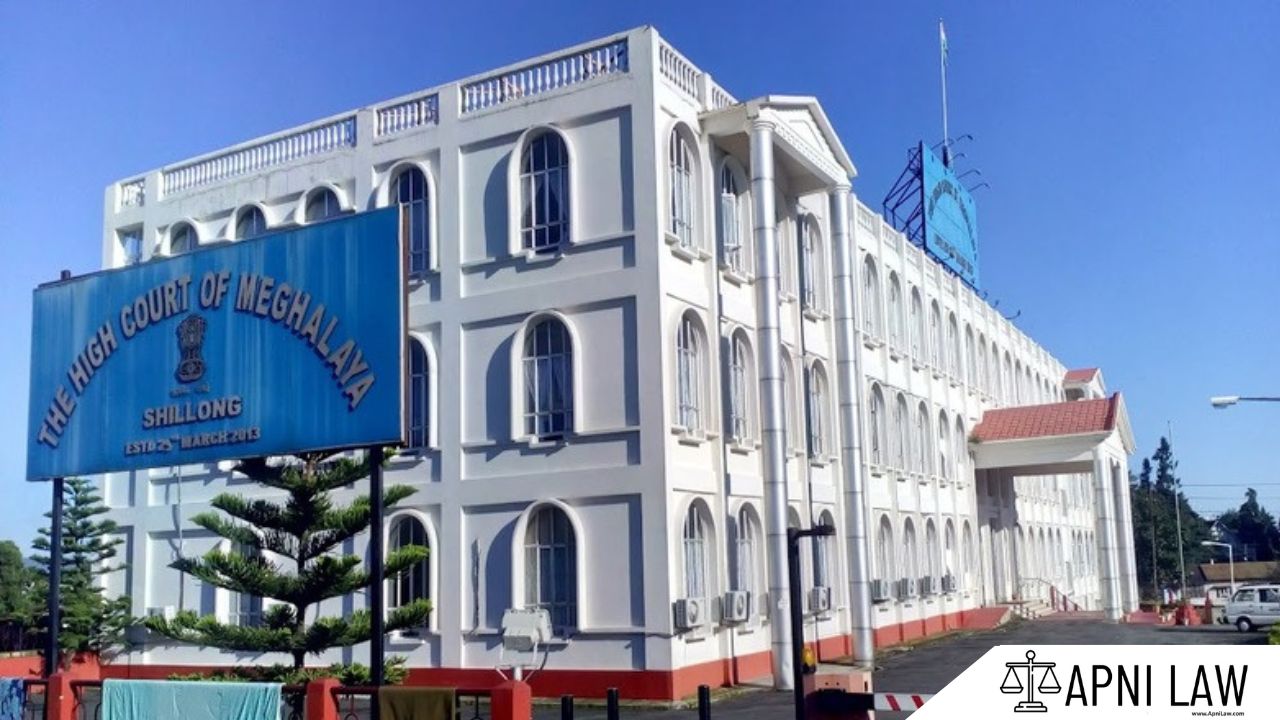
In appropriate cases involving serious denial of educational rights or administrative inaction, the aggrieved person may also approach the High Court through legal proceedings seeking enforcement of rights under the Constitution and the Right to Education Act.
Conclusion
The Right to Education Act, 2009 plays an important role in ensuring equal educational opportunities for children across India. The law aims to prevent exclusion, discrimination, and unfair practices in elementary education while promoting access to schools and basic educational infrastructure.
The Act also strengthens accountability within the education system by providing grievance mechanisms for parents and students facing educational rights violations.