Index
- What Is Property Dispute?
- What Are The Common Types Of Property Disputes?
- What Is Title Defect?
- What Are The Key Laws Governing Property Disputes In India?
- What Are The Ways To Resolve Property Disputes In India?
- Which Court Handles Property Disputes In India?
- What Are The Common Property Disputes Between Brothers In India?
- How To Solve Property Dispute When There Is Defect In Title?
What Is Property Dispute?
A property dispute is a disagreement over the ownership, use, or boundaries of land. These conflicts can arise from inheritance issues, boundary disagreements, shared ownership, or broken lease agreements. Property disputes can strain relationships, affect property values, and often require legal help to resolve fairly. Therefore, it is vital to have firsthand knowledge on how to solve property dispute when there is defect in title. Here is more on how to solve property dispute when there is defect in title:What Are The Common Types Of Property Disputes?
- Ownership Disputes: These arise when there’s a disagreement over who legally owns a property. Causes can include unclear property titles, boundary issues, inheritance conflicts, or fraudulent transactions. Resolving these often involves legal measures like proving ownership, conducting investigations, or seeking court intervention.
- Co-Ownership Disputes: Occur when two or more people share ownership of a property. Conflicts may involve how the property is used, maintained, or sold. Issues can stem from unequal contributions, disagreements on property management, or differing opinions on selling. These disputes are resolved through negotiations, partition proceedings, or legal decisions.
- Title Disputes: These involve questions about property ownership and rights. Problems during the title transfer process, such as errors, omissions, or fraud, can lead to disputes. Legal help, title searches, and quiet title actions are often needed to establish a clear and marketable title.
- Landlord-Tenant Disputes: Common in rental properties, these conflicts can include unpaid rent, lease violations, property maintenance issues, eviction processes, or disputes over security deposits. Resolving these issues requires understanding and enforcing lease agreements and local landlord-tenant laws, sometimes necessitating legal action if mediation fails.
- Construction Disputes: These occur among parties involved in a construction project, like property owners, contractors, subcontractors, or architects. Disagreements can arise over delays, mistakes, cost overruns, or contract breaches. In many places, Real Estate Regulatory Authorities (RERA) oversee construction issues. These disputes are often resolved through arbitration, mediation, litigation, or remedies under RERA laws.
What Is Title Defect?
A title defect refers to a problem or issue with the legal ownership or rights associated with a property. In simple terms, a title defect is anything that can affect the rightful ownership or clear transfer of a property from one person to another. Some common examples of title defects include:- Liens or Encumbrances: These are claims or legal interests held by others on the property, such as unpaid taxes, mortgages, or judgments against the current owner.
- Boundary Disputes: Issues with the accurate definition or location of the property’s boundaries, which can lead to conflicts with neighbouring landowners.
- Errors in Public Records: Mistakes or inaccuracies in the official documents and records that establish the property’s ownership history.
- Undisclosed Heirs: Situations where there are unknown or unresolved claims to the property by the previous owner’s family members or other parties.
- Fraudulent Transfers: Cases where the property was obtained through illegal or deceptive means, such as forgery or theft of the title.
- A home loan is similar to a personal loan but is backed by property as collateral. The loan is granted to an individual, not the property itself, with the property serving as security. It is the buyer’s or borrower’s responsibility to check for any defects in the property’s title. The reliability of internal Title Search Reports from various banks and Housing Finance Companies (HFCs) is mostly recommended.
What Are The Key Laws Governing Property Disputes In India?
Property disputes and litigation in India are governed by the Transfer of Property Act 1882 and respective Succession laws. Section 17 of the Registration Act also addresses family settlements involving immovable property. These laws cover various aspects of property transactions and disputes, including ownership, title, possession, and transfer.What Are The Ways To Resolve Property Disputes In India?
Resolving a property dispute in India can be complex and time-consuming, but several methods are available:- Negotiation and Mediation: Parties involved in the dispute can negotiate and reach a mutually agreeable solution. Mediation involves a neutral third party to help facilitate the process.
- Filing a Civil Suit: If negotiation and mediation fail, parties can file a civil suit in court. The court will hear both sides and make a decision based on the evidence presented.
- Alternative Dispute Resolution (ADR): Methods like arbitration or conciliation can be used to resolve disputes more quickly and cheaply than going to court.
- Seeking Relief Under Specific Property Laws: Laws like the Transfer of Property Act, the Real Estate (Regulation and Development) Act, and the Land Acquisition Act offer specific remedies for certain types of property disputes.
Which Court Handles Property Disputes In India?
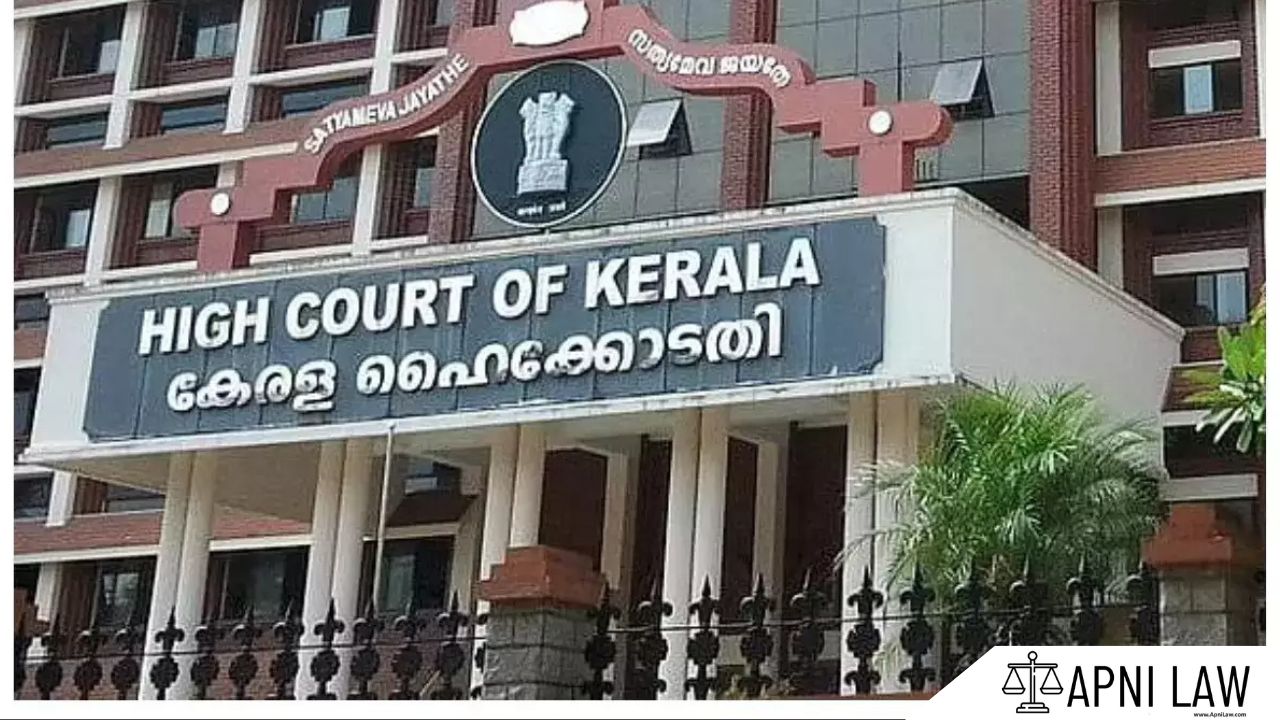
In India, property disputes can be addressed by different courts and tribunals based on the dispute’s nature and value. Common courts include civil courts, district courts, high courts, and the Supreme Court of India. Specialized tribunals like the Real Estate Regulatory Authority (RERA) and the National Company Law Tribunal (NCLT) may also handle specific types of property disputes. The appropriate court or tribunal depends on the details of the case.What Are The Common Property Disputes Between Brothers In India?
Property disputes between brothers are common in India, especially when they inherit property from their parents. These disputes can involve:- Ancestral Property: Brothers may have equal rights to ancestral property, but disagreements can arise over its partition or management.
- Jointly Owned Property: Brothers may disagree on aspects like maintenance, repairs, and rent collection.
- Inheritance: Disputes can occur over the validity of the will or the distribution of inherited assets.
How To Solve Property Dispute When There Is Defect In Title?
To resolve a property dispute when there is a defect in the title, you can take the following steps:- Identify the specific defect in the title by conducting a thorough title search and reviewing property records. Common defects include errors in the legal description, undisclosed easements, liens, or conflicting claims of ownership.
- Gather all relevant documents and evidence related to the property, such as deeds, surveys, and communication records. This information will be crucial in establishing your case.
- Attempt to resolve the dispute through negotiation or mediation with the affected parties. Open communication and a willingness to compromise can often lead to a mutually agreeable solution without resorting to legal action.
- If negotiation fails, consider filing a quiet title action to establish clear ownership of the property and eliminate any competing claims or encumbrances. This legal proceeding involves presenting evidence to the court to determine the true titleholder.
- Establish easements if necessary to resolve boundary disputes caused by the defective title.
- You can negotiate easements with neighboring property owners or obtain them through a court order if necessary.
- Consult with an experienced real estate attorney throughout the process to ensure your rights are protected and to guide you through the legal procedures. An attorney can also assist in curing the title by clearing any liens or encumbrances.