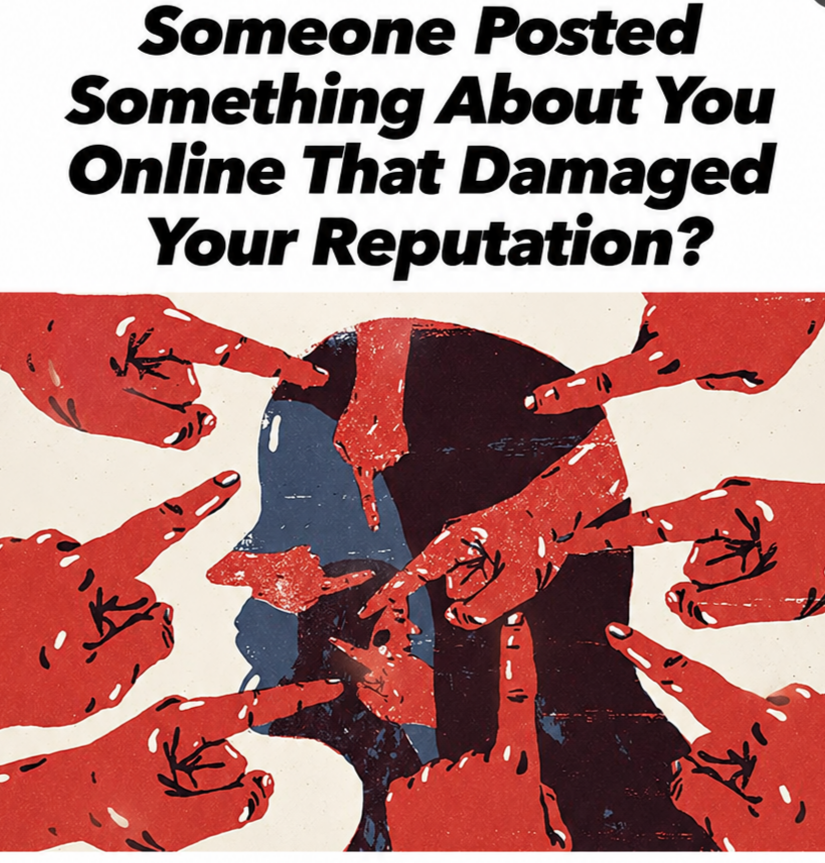
Introduction
Under Section 356 of the Bharatiya Nyaya Sanhita, 2023 (BNS), a person can commit defamation by making or publishing an imputation concerning another person with the intention of harming that person’s reputation, or knowing or having reason to believe that it will harm that reputation.
What Counts as Defamation?
Section 356 BNS covers an imputation concerning a person. The provision explains that an imputation is considered harmful to reputation when it lowers, directly or indirectly, the person’s moral or intellectual character, character in relation to their calling, or credit in the estimation of others, among other circumstances specified in the provision.
This means that simply finding a post offensive or unpleasant does not automatically establish criminal defamation.
The nature of the statement, its meaning, the circumstances in which it was published, its effect on reputation and the intention or knowledge of the person making the statement can all become relevant.
The law also recognises that an imputation can be expressed through words, signs or visible representations. This makes the provision relevant to modern forms of communication, including visual and digital content.
Does Social Media Change the Law?
Social media does not create a separate definition of criminal defamation. Section 356 applies when an imputation is made or published “in any manner.”
Consequently, an allegedly defamatory statement can arise through different forms of online communication, depending on the facts. A post, caption, video, comment or other online publication can potentially become relevant if the statutory ingredients of defamation are satisfied.
The Supreme Court has also emphasised the importance of examining the entire publication and surrounding context, rather than isolating individual statements. In a 2025 judgment concerning alleged defamatory publications, the Court noted the importance of considering the contents of the publication as a whole and whether the material actually demonstrated that the complainant’s reputation had been lowered in the estimation of others.
Is Every Negative Opinion Defamation?
A negative opinion does not automatically amount to defamation. Section 356 contains several statutory exceptions protecting certain forms of speech. For example, an opinion expressed in good faith regarding the conduct of a public servant in the discharge of public functions can fall within an exception. The law also protects certain good-faith opinions concerning conduct connected with a public question.
The protection is not unlimited. The opinion must fall within the scope of the relevant exception and must satisfy its requirements.
This creates an important distinction between criticising someone’s conduct and making an unsupported factual allegation designed to damage their reputation.
What About Saying “But It Is True”?
Truth is an important consideration, but the legal position needs to be stated carefully. Under the first exception to Section 356 BNS, an imputation concerning a person is not defamation where the imputation is true and its publication is for the public good. Whether publication is for the public good is a question of fact.
Therefore, saying that “truth is always a complete defence” would be legally overbroad under the wording of Section 356.
What About Reviews and Public Complaints?
Consumers frequently post reviews about restaurants, businesses, products and services. Employees may also discuss workplace experiences, and individuals may complain about alleged misconduct.
Such communications cannot automatically be classified as defamation merely because they are critical.
Section 356 itself recognises certain good-faith communications, including good-faith accusations made to a person having lawful authority over the subject matter, as well as certain communications made for protection of interests or the public good.
At the same time, presenting an allegation as fact without a proper basis can create legal risks, particularly where the statement is intended or known to harm reputation.
The safer approach is to distinguish verified facts, clearly identified opinions and allegations that have not yet been established.
What Is the Punishment for Defamation Under BNS?
Section 356(2) BNS provides that a person who commits defamation can face simple imprisonment for up to two years, fine, both, or community service.
The provision also separately addresses the knowing printing or engraving of defamatory matter and the knowing sale or offer for sale of printed or engraved defamatory material.
The existence of a punishment does not mean that every disputed social media post will result in criminal liability. The ingredients of the offence have to be established according to law.
Can a Repost or Forward Create Legal Risk?
Online users often assume that liability belongs only to the original person who created a statement.
Section 356 uses the language of making or publishing an imputation “in any manner.” The legal consequences of reposting, forwarding or otherwise republishing particular material depend on the circumstances, including the content, the manner of publication and the person’s knowledge or intention.
A person therefore should not automatically assume that adding a caption such as “just sharing” eliminates every possible legal issue. The safest approach is to verify material before amplifying allegations concerning another person’s reputation.
What Should a Person Do If Defamatory Content Is Posted Online?
A person who believes that defamatory material has been published about them should preserve the evidence before attempting to have the content removed.
Screenshots can be useful, but it is better to preserve the original post, account details, URL, date, time, comments, messages and other relevant material wherever possible. If the content is subsequently deleted, these records can help establish what was published and how it was circulated.
The person should also consider whether the statement is actually defamatory under Section 356 or whether it falls within one of the statutory exceptions.
How Is Criminal Defamation Initiated?
Criminal defamation has a specific procedural requirement. Under Section 222 of the Bharatiya Nagarik Suraksha Sanhita, 2023 (BNSS), a court ordinarily cannot take cognizance of an offence under Section 356 BNS except upon a complaint made by the person aggrieved by the offence. The provision contains specific exceptions and a separate procedure for certain high constitutional and public officials in relation to their public functions.
This is important because a person who believes that a social media post is defamatory does not simply have to treat the matter as an ordinary online complaint. Criminal defamation follows the procedure prescribed by the BNSS.
Freedom of Speech vs Right to Reputation
Defamation law sits at the intersection of two important interests. On one side is the freedom of speech and expression protected by Article 19(1)(a) of the Constitution. On the other is the protection of an individual’s reputation from unlawful harm.
Instead, Section 356 establishes a specific offence while also providing ten statutory exceptions covering circumstances such as truth for public good, good-faith opinions, substantially true reports of court proceedings, good-faith accusations to lawful authorities and certain communications made for protection of interests or the public good.
What Should Social Media Users Remember?
Before posting an allegation about another person, it is worth asking a few basic questions. Is the statement a verifiable fact or an opinion? Is there a reasonable basis for making the allegation? Is the information being presented accurately and in context? Does a statutory exception apply?
These questions do not mean that people have to remain silent about wrongdoing. A person can raise genuine concerns, make good-faith complaints and express legitimate criticism.
The important distinction is between responsible expression and an allegation published in circumstances that satisfy the ingredients of defamation.
Conclusion
Social media has made it easier than ever to express an opinion, criticise a person or share information with a large audience. It has also made reputational harm considerably easier to spread.
Under Section 356 BNS, criminal defamation can arise when the statutory requirements are satisfied. At the same time, the provision expressly protects several forms of speech through its exceptions, including certain true statements made for the public good and good-faith opinions and communications.
The legal question is therefore not simply “Did this post hurt someone’s feelings?”
It is whether the publication amounts to an imputation covered by Section 356, whether the required intention, knowledge or reason to believe is present, whether the person’s reputation was legally harmed, and whether any statutory exception applies.
On social media, freedom of expression comes with responsibility. Before posting, reposting or forwarding an allegation, checking the facts can be the difference between legitimate criticism and potential legal trouble.
*This article is for general legal awareness and does not constitute legal advice. The applicability of defamation law depends on the facts, content, context and evidence in each case.*