Introduction
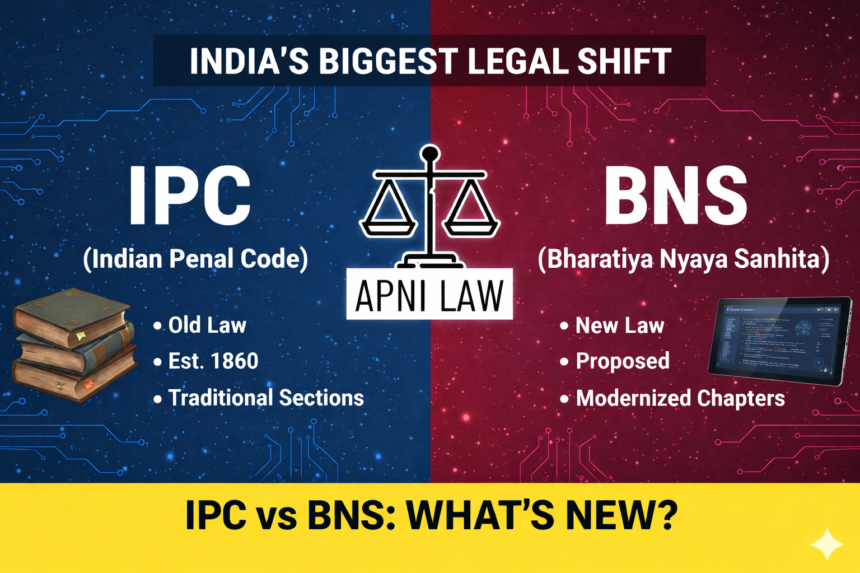
Criminal breach of trust arises when a person dishonestly misuses property entrusted to them. The law punishes such misuse because it violates confidence and fiduciary responsibility. Indian criminal law has long treated this offence seriously due to its frequent occurrence in personal, business, and professional relationships. The Bharatiya Nyaya Sanhita, 2023, now governs this offence through Section 316 and Section 319, replacing the earlier framework under Sections 405 and 406 of the Indian Penal Code, 1860.
How Did Section 406 IPC Define Criminal Breach of Trust?
Under the IPC, Section 405 defined criminal breach of trust, while Section 406 prescribed punishment. The offence required proof of entrustment of property and dishonest intention. Courts consistently held that mere possession did not amount to entrustment. The prosecution also had to establish that the accused dishonestly misappropriated or converted the property for personal use or violated legal or contractual terms. Section 406 served as a general punishment clause applicable across multiple contexts.
What Changes Does the Bharatiya Nyaya Sanhita Introduce?
The Bharatiya Nyaya Sanhita reorganises and modernises the offence without diluting its substance. Section 316 of the BNS now defines criminal breach of trust, while Section 319 prescribes punishment. This separation improves clarity and legal structure. The BNS also classifies aggravated forms of the offence more clearly. It addresses misuse by carriers, clerks, merchants, agents, and public servants through specific sub-sections.
How Does Section 319 BNS Define Punishment?
Section 319 BNS retains the base punishment of imprisonment up to three years, fine, or both for general cases. However, it enhances punishment for aggravated circumstances. In cases involving public servants or professionals entrusted due to their position, imprisonment may extend to five or seven years. The BNS also places stronger emphasis on restitution to victims, reflecting a victim-centric approach to criminal justice.
Is There Any Difference in the Core Ingredients of the Offence?
The essential ingredients remain unchanged under the BNS. The prosecution must still prove entrustment of property. It must also prove dishonest intention at the time of misappropriation. Courts continue to distinguish between civil breach of contract and criminal breach of trust. Mere failure to return money or property does not automatically attract criminal liability unless dishonest intent is clearly established.
How Does the BNS Improve Legal Clarity?
The IPC framework often caused confusion because the definition and punishment existed in separate sections with overlapping interpretations. The BNS resolves this by systematically grouping related provisions. Section 316 defines the offence. Section 319 prescribes punishment. This structure helps lawyers, judges, and investigators apply the law more precisely. It also reduces interpretational disputes during trials.
Does Section 319 BNS Change the Nature of the Offence?
The nature of the offence remains cognizable and non-bailable under the BNS. Police may register an FIR without prior court approval. The offence remains triable by a Magistrate of the First Class. However, the BNS introduces graded punishment, which allows courts to assess the gravity of the offence more accurately. This approach aligns sentencing with modern principles of proportional justice.
How Does the BNS Address Aggravated Criminal Breach of Trust?
The BNS specifically recognises that certain relationships involve higher levels of trust. When public servants, bankers, clerks, or agents commit criminal breach of trust, the law treats it as more serious. Section 319 prescribes enhanced punishment for such cases. This change reflects legislative intent to protect public confidence in institutions and professional roles.
Can Courts Still Distinguish Between Civil and Criminal Disputes?
Courts continue to draw a clear line between civil disputes and criminal offences. The BNS does not criminalise ordinary contractual failures. Courts still require proof of dishonest intention beyond reasonable doubt. This safeguard prevents misuse of criminal proceedings for settling civil disputes, particularly in business and matrimonial matters.
What Are the Practical Implications for Litigants?
Criminal breach of trust cases frequently arise in disputes involving stridhan, employment, partnerships, and agency relationships. Under the BNS, complainants must rely on the new section numbers for offences committed after the law came into force. Lawyers must draft complaints carefully to establish entrustment and mens rea. Courts may allow compounding of offences with permission, depending on the facts of the case.
Does the BNS Promote Victim Compensation?
One of the notable shifts under the BNS is its emphasis on restitution. Courts may direct offenders to compensate victims alongside imposing punishment. This approach seeks to restore the victim rather than focusing solely on incarceration. It reflects a move toward restorative justice within the criminal law framework.
Which Law Applies After 2023?
For offences committed after the enforcement of the Bharatiya Nyaya Sanhita, courts apply Section 316 and Section 319. The IPC provisions apply only to offences committed before the BNS came into force. Legal practitioners must therefore rely on the official BNS text and updated judicial interpretations when handling new cases.
Conclusion
Section 319 BNS preserves the foundational principles of criminal breach of trust while improving clarity, proportionality, and victim protection. It modernises an essential economic offence without weakening safeguards for the accused. By restructuring the offence and enhancing punishment for aggravated forms, the BNS strengthens trust-based relationships in Indian society and reinforces accountability under criminal law.