Introduction
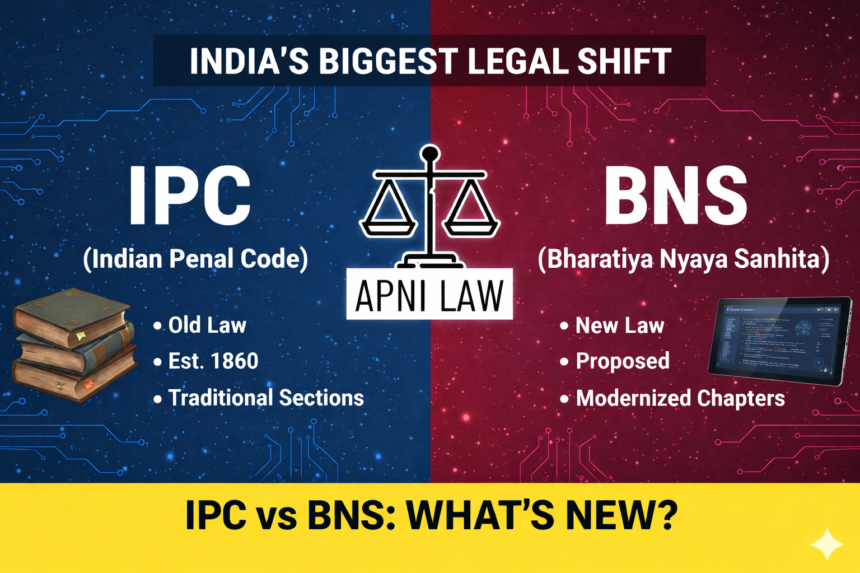
Section 318(4) of the Bharatiya Nyaya Sanhita, 2023 replaces Section 420 of the Indian Penal Code, 1860. Both provisions deal with cheating combined with dishonest inducement to deliver property. The legislature retained almost identical wording and intent. This continuity ensures that fraud-related prosecutions remain unaffected after the transition from IPC to BNS. The offence focuses on deception that leads a person to part with property or alter a valuable security. Courts require proof of dishonest intention at the very beginning of the transaction. Mere failure to keep a promise does not amount to cheating under either law.
Why Was Section 420 IPC Replaced by Section 318(4) BNS?
The Bharatiya Nyaya Sanhita was enacted to modernise criminal law. While several provisions were restructured, lawmakers intentionally preserved Section 420 IPC in substance. Section 318(4) BNS serves the same purpose and addresses the same mischief. It ensures continuity in legal interpretation and enforcement. This replacement avoids disruption in ongoing cases. Courts can continue relying on established judicial precedents developed under Section 420 IPC. The offence remains familiar to investigators, lawyers, and judges.
What Does Section 420 IPC Say About Cheating?
Section 420 IPC criminalises cheating when it involves dishonest inducement. The accused must deceive the victim and cause delivery of property or alteration of a valuable security. The law prescribes punishment of imprisonment up to seven years along with a fine. The section applies only when cheating results in actual loss of property or legal rights. Simple deception without inducement does not attract Section 420. The prosecution must prove that the accused acted with dishonest intent from the start.
How Does Section 318(4) BNS Define the Same Offence?
Section 318(4) BNS reproduces the language of Section 420 IPC almost verbatim. It punishes anyone who cheats and dishonestly induces the delivery of property or valuable security. The punishment remains imprisonment up to seven years with a fine. The provision retains its cognizable and non-bailable nature. A Magistrate of the First Class continues to have jurisdiction. This similarity confirms that Section 318(4) BNS is a direct statutory successor to Section 420 IPC.
What Are the Essential Ingredients of Cheating Under Both Laws?
Both provisions require three core elements. The first element is deception. The accused must make a false representation or conceal facts. The accused must know that the representation is false.
The second element is dishonest inducement. The deception must persuade the victim to deliver property or alter a valuable security. The inducement must directly cause the victim’s action. The third element is mens rea at inception. The accused must intend to cheat at the time of making the promise. Courts repeatedly hold that later failure or breach of contract does not constitute cheating.
Why Is Intent at the Beginning So Important?
Courts consistently distinguish cheating from civil disputes. If dishonest intent arises after entering a transaction, criminal liability does not follow. The Supreme Court has reiterated that criminal law cannot punish every contractual breach. Under both Section 420 IPC and Section 318(4) BNS, the prosecution must show that the accused never intended to perform the promise. This requirement prevents misuse of criminal law for recovering money in commercial disputes.
What Is the Punishment and Nature of the Offence?
Both provisions prescribe the same punishment. The court may impose imprisonment for up to seven years and a fine. The offence remains cognizable, allowing police to register an FIR without court approval. The offence is non-bailable. Courts grant bail only at judicial discretion. These features reflect the seriousness attached to fraud and economic deception under Indian criminal law.
Does Section 318 BNS Introduce Any Practical Change?
Section 318 BNS expands the general definition of cheating in its earlier sub-sections. It now includes harm to body, mind, reputation, or property. However, Section 318(4) remains limited to property-related inducement. This distinction ensures that traditional fraud cases continue under the same legal framework. Financial scams, investment frauds, and property cheating cases face no substantive change in prosecution strategy.
Can Courts Use Old IPC Judgments Under the New BNS?
Courts can rely on precedents decided under Section 420 IPC. Since the language and ingredients remain unchanged, judicial interpretations continue to apply. This principle ensures legal certainty and predictability.
Why Is Section 318(4) BNS Important for Fraud Prosecution?
Section 318(4) BNS preserves the backbone of India’s fraud law. It ensures that dishonest inducement leading to property loss remains punishable. The provision protects victims against deliberate deception. By retaining Section 420 IPC in substance, the BNS strengthens confidence in the criminal justice system. It balances continuity with reform and prevents loopholes in economic offence prosecution.
Conclusion
Section 318(4) BNS is not a new offence. It is a continuation of Section 420 IPC under a new statute. Both criminalise cheating combined with dishonest inducement. Both require deception, inducement, and dishonest intent from inception.
The punishment, procedure, and judicial interpretation remain unchanged. This seamless transition ensures that fraud and cheating laws remain strong, effective, and enforceable under the Bharatiya Nyaya Sanhita.