Introduction
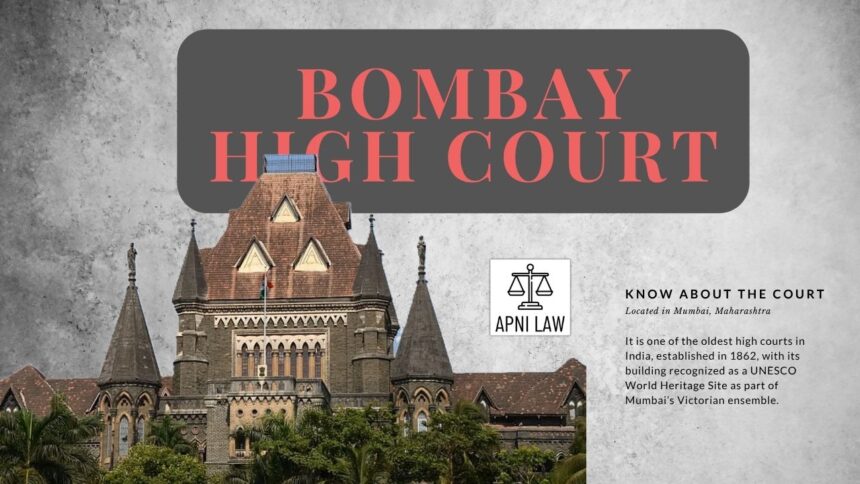
The Bombay High Court has upheld the exemption granted to Sikhs from wearing helmets while riding two-wheelers, ruling that the exemption does not violate the constitutional guarantee of equality under Article 14. The Court clarified that the exemption is based on a reasonable classification recognised by law and not on religion, caste, or creed.
Dismissing a petition challenging the exemption, the Court held that Article 14 prohibits arbitrary discrimination but permits reasonable classifications that have a rational connection with the objective of the legislation.
Case Background
The case arose from a writ petition filed by a law student challenging the validity of the exemption granted to members of the Sikh community under Section 129 of the Motor Vehicles Act, 1988, which otherwise makes wearing a protective helmet mandatory for both riders and pillion riders of motorcycles.
The petitioner argued that exempting Sikhs from this requirement amounted to unconstitutional class legislation and violated the principle of equality before the law.
Petitioner’s Arguments
The petitioner contended that the government was creating an impermissible classification by treating one section of society differently from others without constitutional justification.
It was argued that Article 14 guarantees equal protection of the laws to every citizen and that granting helmet exemption to Sikhs denied equal treatment to other motorcycle riders who remained legally bound to wear helmets.
High Court’s Observations
The Bombay High Court rejected the challenge, holding that the petitioner’s understanding of Article 14 was misconceived.
The Bench explained that Article 14 prohibits class legislation but expressly permits reasonable classification, provided two conditions are satisfied:
- The classification must be based on an intelligible differentia distinguishing one group from others.
- The differentia must have a rational nexus with the object sought to be achieved by the legislation.
The Court observed that reasonable classification is a well-established constitutional principle that allows the legislature to treat different groups differently when there is a valid and logical basis for doing so in the public interest.
Helmet Law Serves Public Safety
The Court noted that Section 129 of the Motor Vehicles Act was enacted to protect the lives of riders and pillion passengers by reducing fatalities caused by head injuries in road accidents.
Referring to the increasing number of two-wheeler accidents and deaths resulting from head injuries, the Bench observed that compulsory helmet use is a public safety measure intended to safeguard society at large.
The Court further clarified that the statutory exemption granted to Sikhs does not amount to discrimination based on religion or caste but is a legally recognised exception falling within the framework of reasonable classification under Article 14.
Final Verdict
The Bombay High Court dismissed the writ petition and upheld the validity of the Sikh helmet exemption under the Motor Vehicles Act.
The Court held that the exemption does not violate the constitutional guarantee of equality, as Article 14 permits reasonable classification based on a valid and rational objective. It concluded that the exemption is a constitutionally permissible legislative classification and not an instance of unlawful discrimination.
Case Title: Kirtesh Vikas Chaudhari v. Union of India