Introduction
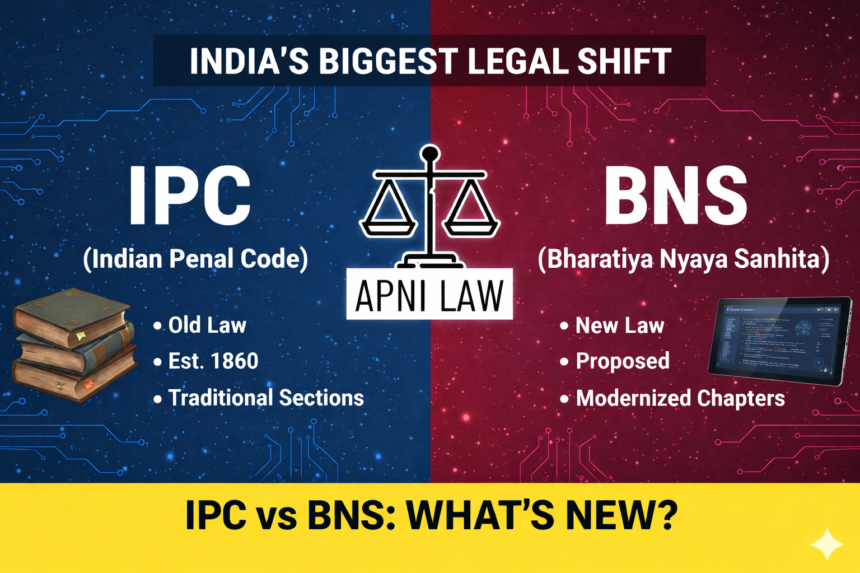
Criminal intimidation is a serious offence under Indian criminal law. It focuses on threats made to cause fear, alarm, or coercion. The Bharatiya Nyaya Sanhita, 2023, now governs this offence. It replaces the Indian Penal Code, 1860. Section 351 of the BNS corresponds directly to Section 506 of the IPC. While the structure of punishment remains largely the same, the BNS introduces clearer language and wider coverage. The law punishes the intent to cause alarm. Actual harm is not necessary. Even a threat alone can attract liability if it creates fear in the victim’s mind.
Which Provision Governs Criminal Intimidation Under the BNS?
Section 351 of the Bharatiya Nyaya Sanhita, 2023, deals with criminal intimidation. It came into force on 1 July 2024. This provision replaces Section 506 of the IPC in its entirety. The legislature retained the same punishment framework to ensure continuity. However, it modernised the language to suit present-day realities. The section applies to threats made to a person, their reputation, or their property. It also extends to threats aimed at someone the victim cares about.
How Did Section 506 of the IPC Define Punishment Earlier?
Section 506 of the Indian Penal Code prescribed punishment for criminal intimidation for over a century. It classified the offence into simple and aggravated forms. Courts interpreted it consistently across jurisdictions. The IPC focused on physical and verbal threats. Digital and anonymous threats required judicial interpretation. The BNS removes this ambiguity by explicitly covering all modes of communication.
What Is the Punishment for Simple Criminal Intimidation?
Under Section 351(2) of the BNS, simple criminal intimidation attracts imprisonment of up to two years. The court may also impose a fine. In some cases, it may award both imprisonment and fine. This punishment mirrors Section 506(1) of the IPC. The offence remains non-cognizable and bailable. Any magistrate can try the case. The focus stays on whether the threat caused alarm or fear. The BNS also introduces flexibility. Courts may impose community service in suitable cases. This reflects the law’s shift towards restorative justice.
What Constitutes Aggravated Criminal Intimidation?
Aggravated criminal intimidation involves more serious threats. These include threats of death or grievous hurt. They also include threats to destroy property by fire. Threats involving serious offences or imputing unchastity to a woman also fall under this category. Section 351(3) of the BNS governs such cases. It corresponds to Section 506(2) of the IPC. The law treats these threats as more dangerous due to their gravity.
What Is the Punishment for Aggravated Criminal Intimidation?
For aggravated criminal intimidation, the BNS prescribes imprisonment of up to seven years. The court may also impose a fine. It may award both penalties together. In practice, this offence is treated as non-bailable. A magistrate of the first class usually tries the case. The punishment remains identical to that under the IPC. This ensures legal consistency while strengthening enforcement.
Does the BNS Expand the Scope of Criminal Intimidation?
Yes, the BNS significantly expands the scope. Section 351 covers threats made by any means. This includes electronic communication. Emails, messages, social media posts, and anonymous threats now clearly fall within the law. The IPC did not expressly mention digital modes. Courts had to rely on interpretation. The BNS removes doubt and adapts criminal law to the digital age.
Is Intent More Important Than Actual Harm?
Intent is central to criminal intimidation. The law focuses on the intention to cause alarm. Actual injury or loss is not required. Even an unfulfilled threat can attract punishment if it creates fear. Both the BNS and IPC follow this principle. The offence targets psychological coercion. It aims to protect personal liberty and mental security.
Are Offences of Criminal Intimidation Compoundable?
Offences under Section 351 of the BNS are compoundable. This requires the consent of the victim. Courts allow compounding in appropriate cases, especially for simple intimidation. This approach encourages settlement and reduces unnecessary litigation. It also aligns with the restorative justice philosophy of the new criminal laws.
How Does Section 351 BNS Compare With Section 506 IPC?
Section 351 of the BNS closely mirrors Section 506 of the IPC in punishment and structure. Both provide two tiers of punishment. Both distinguish between simple and aggravated intimidation. The difference lies in clarity and scope. The BNS expressly includes digital and anonymous threats. It also allows alternative punishments like community service. Despite these changes, the maximum penalties remain unchanged.
Why Is Section 351 BNS Important Today?
Criminal intimidation has evolved with technology. Online threats and anonymous harassment have increased. Section 351 addresses these realities directly. By retaining familiar punishments and expanding coverage, the BNS balances continuity and reform. It ensures stronger protection for victims while maintaining legal certainty for accused persons.
Conclusion
Section 351 of the Bharatiya Nyaya Sanhita modernises the law on criminal intimidation. It replaces Section 506 of the IPC without altering core punishments. Simple intimidation carries up to two years of imprisonment. Aggravated intimidation carries up to seven years.
The law now clearly covers digital threats. It focuses on intent rather than harm. It allows compounding and alternative punishment in suitable cases. Understanding these provisions is essential in today’s legal and digital environment.