Introduction
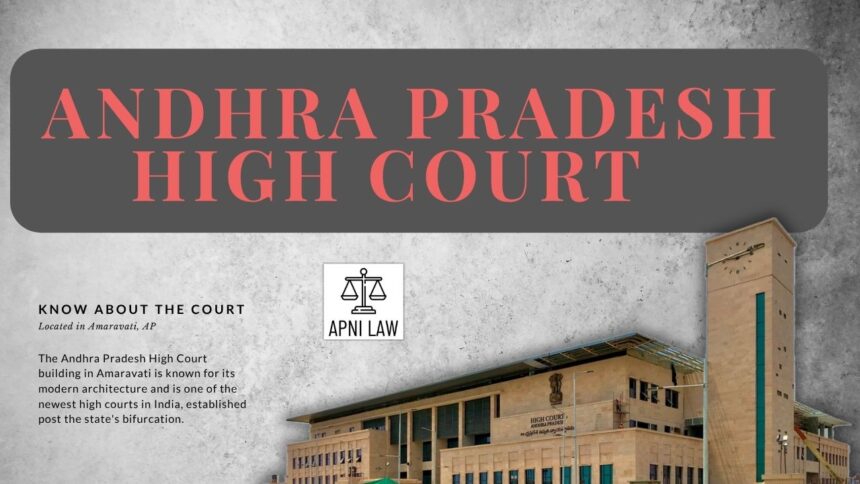
The Andhra Pradesh High Court has ruled that a single mother can apply for and obtain a passport for her minor child without the consent or signature of the father, provided she submits the declarations prescribed under the Passport Rules. The Court held that passport authorities cannot insist on divorce decrees, judicial separation orders, or the father’s consent when the applicable statutory requirements have already been fulfilled.
Legal Issue
The central issue before the Court was whether a minor child’s passport application could be processed solely on the application of the mother when the father’s consent was unavailable and the parents were living separately. The passport authorities argued that the mother had not furnished documents such as proof of divorce or judicial separation and therefore the application could not be processed.
Background
The case was filed by a woman who had been living separately from her husband due to matrimonial disputes. She applied for a passport for her four-year-old daughter and declared herself as a single parent in the application. She also submitted the prescribed declarations required under the Passport Rules.
Despite this, the passport authorities kept the application pending and sought documents relating to divorce, judicial separation, or other court orders. The petitioner contended that such requirements were not mandated under the statutory framework and that the refusal to process the application adversely affected her child’s right to obtain a passport.
Court’s Decision
Justice Battu Devanand held that a single parent is entitled to apply for a passport for a minor child without obtaining the consent or signature of the other parent, provided the declarations contemplated under the Passport Rules are furnished. The Court noted that the legal position is already well settled through various judicial precedents and the Passport Rules themselves recognize situations where one parent may be unable to obtain the consent of the other parent.
The Court observed that it would be unreasonable to compel a single parent who is no longer in contact with the other parent to suffer procedural obstacles in securing a passport for a child. It further noted that denying a passport in such circumstances could affect fundamental rights, including rights protected under Articles 19 and 21 of the Constitution.
Referring to the Passport Rules and the applicable guidelines, the Court held that the statutory framework permits applications by a single parent on the basis of prescribed affidavits and declarations. The insistence on additional documents not required by law was therefore unjustified.
Conclusion
Allowing the writ petition, the Andhra Pradesh High Court directed the passport authorities to process the minor child’s passport application and issue the passport within the stipulated time. The ruling reinforces the rights of single parents and clarifies that a father’s consent is not mandatory for issuance of a minor’s passport when the prescribed declarations under the Passport Rules have been duly submitted.
Case Name
Shaik Shabana v. Union of India & Others