Introduction
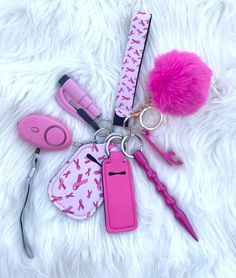
Personal safety is an important concern, especially for people who travel alone or move through unfamiliar places. Many people consider carrying items such as pepper spray, personal alarms or air weapons for protection. However, the legality of carrying and using these items depends on the nature of the item and the circumstances in which it is used.
Indian law also recognises the right of private defence. However, this right has legal limits. A person may use necessary force to protect themselves from an unlawful threat, but self-defence does not give a person an unlimited right to use violence.
What Is The Right Of Private Defence Under Indian Law?
The Bharatiya Nyaya Sanhita, 2023 (BNS) recognises the right of private defence under Sections 34 to 44.
Section 37 BNS provides important limitations on this right. The right of private defence does not extend to inflicting more harm than is necessary for the purpose of defence. The right begins when a reasonable apprehension of danger arises and continues as long as that danger continues.
Can The Right Of Private Defence Extend To Causing Death?
Section 38 BNS provides that the right of private defence of the body can extend to voluntarily causing death or other harm to the attacker when the assault falls within specified situations.
These include an assault that reasonably creates an apprehension of death or grievous hurt, an assault with the intention of committing rape, kidnapping or abduction, certain forms of wrongful confinement, and certain acid attacks. This does not mean that a person can use lethal force whenever they feel threatened. The restrictions under Section 37 BNS continue to apply.
Can Pepper Spray Be Carried For Self-Defence?
Pepper spray or chilli spray is commonly used as a personal safety device. It is different from a firearm that requires an arms licence. However, carrying an item and using it are separate legal questions. Its use needs to be connected to a genuine threat and the force used needs to remain within the limits of private defence.
Are Personal Alarms And Flashlights Legal To Carry?
Personal alarms that produce a loud sound can be used to attract attention during an emergency. Ordinary flashlights and torches are also commonly carried as everyday objects. These items are different from regulated firearms. However, the circumstances in which any object is used can become relevant in a criminal investigation.
Can Stun Guns Or Electronic Devices Be Carried?
The Arms Rules, 2016 regulate certain electronic disabling devices. The Rules distinguish between devices based on factors including their firing range. Therefore, it is not accurate to assume that every stun gun or electric self-defence device is automatically free from regulation.
Can A Walking Stick Or Baton Be Carried?
An ordinary walking stick is generally different from a weapon specifically regulated under arms law. However, certain types of batons and other weapons can fall within the regulatory framework of the Arms Rules, 2016. Therefore, the type, design and intended use of the object can matter when determining its legal status.
Are Small Pocket Knives Legal To Carry?
The legality of carrying a knife depends on factors such as its design, size, purpose and applicable restrictions. The Arms Rules, 2016 regulate certain sharp-edged and deadly weapons. The Rules also contain specific provisions relating to knives, including size-based criteria and exceptions for certain domestic, agricultural, scientific and industrial purposes. A person therefore cannot assume that every knife is automatically legal to carry in every public place.
Can Air Pistols And Air Guns Be Kept Without A Licence?
Certain air weapons do not require the same licensing regime as firearms, depending on their specifications. Under the Arms Rules, 2016, air weapons exceeding 20 joules or 15 ft-lbs of muzzle energy and/or 0.177 inches or 4.5 mm bore fall within the licensing requirements. Air weapons falling within the lower category are not subject to the same licensing requirement.
This is why .177 air pistols or air guns are sometimes discussed as an option for personal safety. However, the calibre alone does not determine the legal position. The muzzle energy and other specifications of the particular air weapon also matter. The Ministry of Home Affairs has stated that non-licensable air weapons may be sold through authorised air-weapon dealers after the required identification and residence verification.
Do Real Firearms Require A Licence?
Real firearms are strictly regulated under the Arms Act, 1959. Section 3 of the Arms Act generally prohibits person from acquiring, possessing or carrying firearms or ammunition without the required licence, subject to the exceptions provided by law.
Therefore, a pistol, revolver or other firearm cannot simply be carried for personal protection without complying with the licensing requirements.
Does Carrying A Self-Defence Item Automatically Make Its Use Legal?
The legality of the item and the legality of its use are separate issues. For example, an item may be lawfully possessed, but using it against another person without a genuine threat or using excessive force may still result in criminal liability. The circumstances of the incident, the nature of the threat and the force used are important when considering the right of private defence.
What Is The Key Rule To Remember About Self-Defence?
Indian law recognises the right of a person to protect themselves from unlawful threats. At the same time, Sections 34 to 44 of the BNS place legal limits on this right. Section 37 restricts excessive force, while Section 38 identifies circumstances in which private defence of the body can extend to causing death.
Similarly, the legality of a self-defence item depends on the type of item, its specifications, applicable arms laws, local restrictions and the circumstances in which it is used.