Introduction
The Water (Prevention and Control of Pollution) Act, 1974 is a central environmental law enacted to prevent and control water pollution and to maintain or restore the quality of water bodies across India. The Act establishes the Central Pollution Control Board (CPCB) and State Pollution Control Boards (SPCBs) and empowers them to regulate activities that may pollute rivers, lakes, streams, wells, and other water sources.
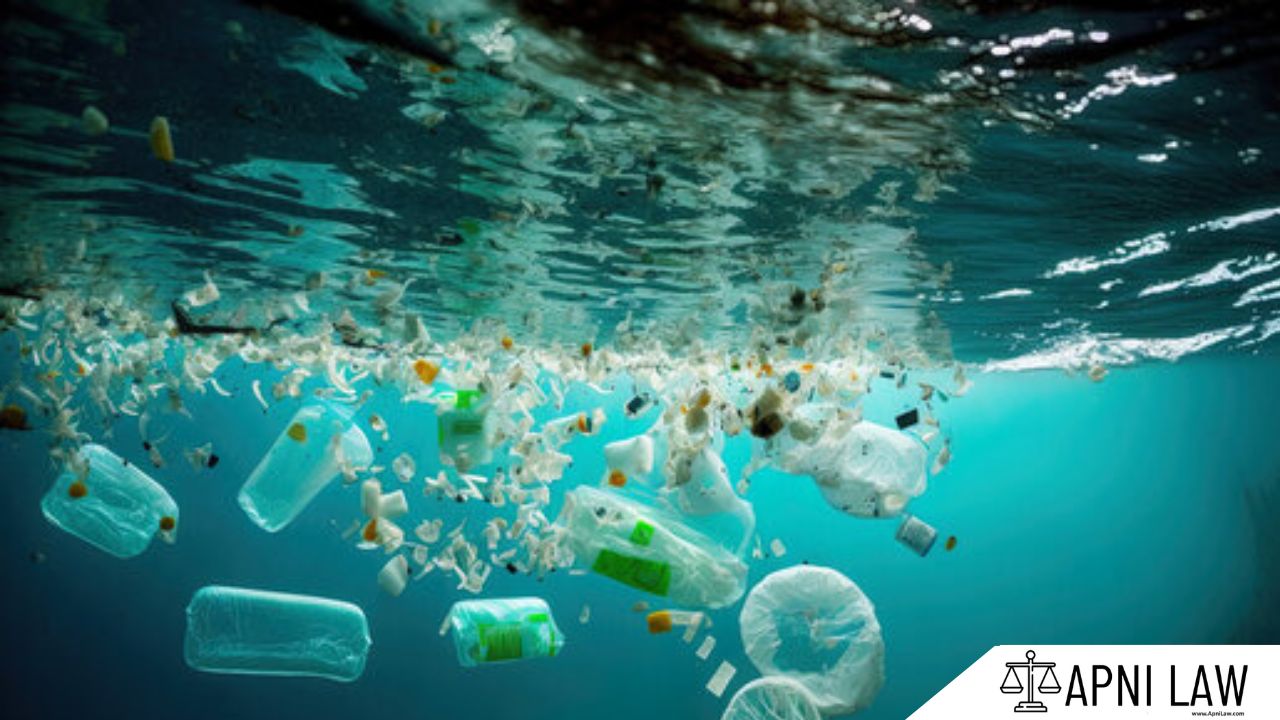
Legal action under the Act may arise when industries, commercial establishments, local authorities, or individuals discharge untreated sewage, trade effluents, chemical waste, or other pollutants into water bodies without complying with environmental standards.
When Can A Case Be Filed Under The Water Act?
A case may be initiated when a person, industry, company, or authority causes water pollution in violation of the provisions of the Act. Common situations include the discharge of untreated industrial waste into rivers or lakes, release of sewage into water bodies without proper treatment, operation of industries without the required environmental consent, or violation of conditions imposed by Pollution Control Boards.
Legal proceedings may also arise where pollution causes harm to public health, aquatic life, agriculture, or the environment.
Where Should A Complaint Be Filed?
Complaints relating to water pollution are generally submitted before the concerned or the depending on the nature of the violation.
A person may also approach the District Administration, environmental authorities, or other competent government agencies. In appropriate cases involving environmental damage, proceedings may be initiated before the .
Where the pollution involves criminal offences or immediate danger to public health, a complaint may also be made to the police or other competent authorities.
What Is The Procedure For Filing A Complaint?
The complainant should prepare a written complaint clearly describing the source of pollution, the location, the nature of the violation, and the impact on the environment or public health. The complaint should include all relevant facts, dates, and supporting information.
The complaint may then be submitted to the appropriate Pollution Control Board or authority having jurisdiction. The authority may conduct inspections, collect samples, seek reports, and investigate the allegations before taking action.
If violations are established, the concerned authority may issue directions, impose penalties, initiate prosecution, or order closure of polluting activities as permitted by law.
What Documents Are Commonly Required?
The documents required may vary depending on the circumstances of the case. Commonly submitted materials include photographs or videos of the pollution, laboratory reports, water sample analysis reports, correspondence with authorities, environmental impact records, location details, and any evidence showing the discharge of pollutants.
Supporting documents demonstrating harm to health, agriculture, livestock, fisheries, or nearby water resources may also assist in establishing the complaint.
Can A Person Directly File A Court Case?
Yes. Under Section 49 of the Water (Prevention and Control of Pollution) Act, 1974, courts may take cognizance of offences upon a complaint made by the Pollution Control Board or an authorised officer.
A private person may also file a complaint after giving the prescribed notice of not less than sixty days to the concerned Board or authorised authority regarding the alleged offence. This provision enables citizens to participate in environmental enforcement where necessary.
What Are The Important Legal Provisions?
Several provisions of the Act are particularly significant.
Section 24 prohibits the use of streams or wells for disposal of polluting matter beyond permissible limits.
Section 25 requires prior consent of the State Pollution Control Board before establishing or operating certain outlets and discharges.
Section 26 regulates existing discharges into water bodies.
Section 33A empowers Pollution Control Boards to issue directions, including closure of industries and disconnection of utilities.
Section 41 to Section 45A provide penalties for violations of the Act.
Section 49 governs the filing of complaints and prosecution of offences.
What Happens After The Complaint Is Filed?
After receiving the complaint, the concerned authority may conduct an inspection, collect samples, seek technical reports, and verify whether the alleged pollution violates statutory standards.
If violations are found, directions may be issued requiring compliance, treatment of waste, suspension of operations, or implementation of pollution-control measures. In serious cases, prosecution may be initiated before the competent court and penalties may be imposed under the Act.
Where environmental damage is substantial, additional proceedings may also be pursued before environmental tribunals or other competent forums.
Why Is The Water Act Important?
The Water (Prevention and Control of Pollution) Act, 1974 serves as one of India’s primary environmental laws for protecting water resources. It provides a legal framework for preventing pollution, regulating industrial discharges, and safeguarding public health and ecological balance.
The Act plays a crucial role in ensuring that industries, businesses, and public authorities manage wastewater responsibly and comply with environmental standards designed to protect rivers, lakes, groundwater, and other vital water resources for present and future generations.