

Introduction
Protests allow people to express their opinions, raise concerns and demand accountability. However, spreading false information during a protest can create confusion, increase tensions and threaten public order. In the digital age, an old video, a manipulated photograph or an unverified claim can circulate rapidly on social media and be mistaken for a current event.
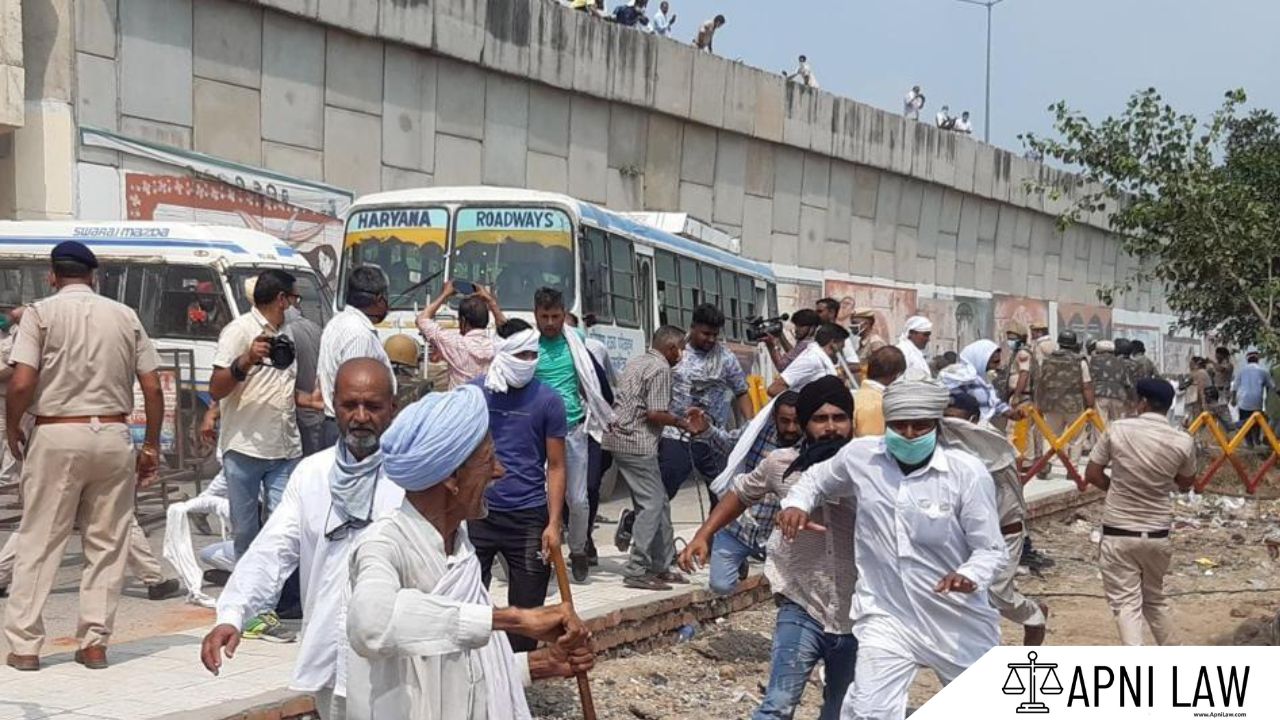
The issue has gained attention following recent protests in Delhi and the Central Government’s October 2026 advisory asking social media platforms to prioritise action against unlawful content connected with ongoing public events. The advisory highlighted concerns about false or misleading information, digitally altered content, old photographs and videos presented as current events, and material that could incite violence.
India does not have one single law that criminalises every instance of misinformation. Depending on the content, the intention behind it and its likely consequences, different provisions of the Bharatiya Nyaya Sanhita, 2023 (BNS) and the Information Technology Act, 2000 may apply.
What Does Indian Law Say About Misinformation During Protests?
The legal consequences depend on the nature of the false information and whether it satisfies the ingredients of a specific offence. A person who knowingly circulates a fabricated claim intended to provoke violence may face different legal consequences from someone who unknowingly shares an inaccurate post.
Authorities may investigate misleading statements, fabricated reports or manipulated media where the material falls within the scope of an applicable criminal provision. However, an allegation of misinformation does not automatically establish criminal liability. The circumstances, available evidence and statutory requirements remain important.
Which BNS Provisions May Apply to False Information?
Section 353 of the Bharatiya Nyaya Sanhita, 2023 addresses statements conducing to public mischief. It covers specified statements, false information, rumours and reports, including those circulated electronically, when the statutory requirements concerning matters such as public alarm or incitement are satisfied.
Under Section 353(1), the punishment may extend to three years of imprisonment, a fine or both. Section 353(2) separately addresses certain false information, rumours or alarming news intended or likely to promote enmity, hatred or ill will between groups on specified or other grounds. The precise subsection applicable depends on the facts of the case.
For example, deliberately circulating a fabricated report claiming that a particular community has attacked protesters could attract scrutiny if the statement satisfies the ingredients of the relevant offence. Merely sharing a disputed political opinion, however, does not automatically amount to an offence under Section 353.
Section 196 of the BNS may also become relevant when a person promotes or attempts to promote enmity between different groups on grounds covered by the provision, or commits acts prejudicial to the maintenance of harmony. Its application depends on the content and circumstances rather than simply on whether a statement is controversial.
Can Fake Videos and Online Impersonation Lead to Cybercrime Charges?
Misinformation shared during protests may involve digitally altered videos, fabricated screenshots, fake accounts or impersonation of public officials. Depending on the conduct, provisions of the Information Technology Act, 2000 may apply.
Section 66C of the Information Technology Act addresses identity theft involving the fraudulent or dishonest use of another person’s electronic signature, password or other unique identification feature. Section 66D addresses cheating by personation through a communication device or computer resource. These provisions do not criminalise every manipulated image or false online statement; the specific legal ingredients must be established.
For instance, creating an account that impersonates a police officer and using it to deceive people may raise different legal issues from posting an edited video with a misleading caption. The applicable offence depends on what the person actually did.
Can False Allegations Lead to Criminal Defamation?
Section 356 of the BNS deals with defamation. It may apply where a person makes or publishes an imputation concerning another person with the intention of harming, or with the knowledge or reason to believe that it will harm, that person’s reputation, subject to the statutory exceptions.
During protests, fabricated allegations against an individual, an organisation or a public figure may raise defamation concerns if the legal requirements are met. However, criticism, genuine complaints and good-faith statements are not automatically criminal defamation. The relevant exceptions and the circumstances in which the statement was made must also be considered.
What Responsibilities Do Social Media Platforms Have During Protests?
Social media platforms operate within the legal framework established by the Information Technology Act and the applicable Information Technology Rules. Section 79 of the IT Act provides conditional protection from liability for certain third-party content when the statutory requirements are satisfied.
The Central Government’s October 2026 advisory called on platforms to exercise enhanced diligence regarding potentially unlawful content connected with ongoing public events. It also highlighted the need to identify misleading or manipulated material and prioritise action on complaints from authorised government bodies.
However, the advisory does not mean that every post questioning an official statement or criticising the authorities must automatically be removed. Content moderation and removal obligations must be assessed under the applicable law and rules. Nor does every complaint create an automatic obligation to remove content within a universal 24-to-36-hour period.
Are WhatsApp Group Administrators Automatically Liable for False Messages?
A WhatsApp group administrator is not automatically criminally liable simply because a member shares a false message in the group. The administrator’s role, involvement in the conduct and the applicable legal provisions may be relevant when assessing liability.
For example, knowingly participating in the creation or circulation of unlawful material may raise different questions from merely managing a group in which another person independently posts a message. Criminal liability requires a legal basis supported by the relevant facts; group administrator status alone does not establish guilt.
Does the Law Allow People to Spread Information During Peaceful Protests?
The Constitution of India protects freedom of speech and expression under Article 19(1)(a) and the right to assemble peaceably and without arms under Article 19(1)(b). These rights are subject to the reasonable restrictions permitted by Articles 19(2) and 19(3), respectively.
The law must therefore distinguish between peaceful criticism, political disagreement and conduct that satisfies the ingredients of a criminal offence. Authorities may act against unlawful conduct, but the mere fact that a statement criticises the government or supports a protest does not, by itself, make the statement criminal.
How Can People Avoid Sharing Misinformation During Protests?
People may verify the original source of a video, check its date and location, and look for reliable reporting before sharing claims about violence, police action or public safety. An old video may be genuine but misleading if it is presented as footage of a current protest.
Users may also distinguish between confirmed facts, allegations and personal opinions. If a post appears fabricated or manipulated, avoiding further circulation and reporting it through the appropriate platform channels may help limit its spread.
Conclusion
Spreading misinformation during protests can lead to criminal consequences when the conduct satisfies the requirements of an applicable law. Sections 353, 196 and 356 of the Bharatiya Nyaya Sanhita, 2023, and Sections 66C and 66D of the Information Technology Act, 2000, may be relevant in appropriate circumstances.
The recent government advisory on misleading online content highlights the challenges of managing information during public events. However, not every inaccurate post, disputed claim or criticism of the authorities is automatically a criminal offence. The nature of the statement, the person’s conduct, the available evidence and the applicable legal provisions determine whether criminal liability arises.