Introduction
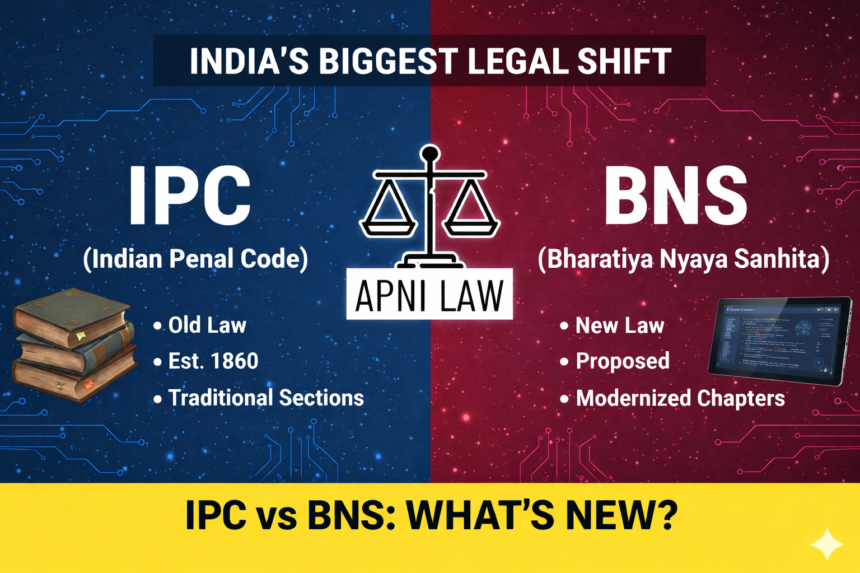
Kidnapping from lawful guardianship directly threatens the safety and welfare of children and persons of unsound mind. Indian criminal law treats this offence with special seriousness because it involves vulnerable individuals who cannot legally protect their own interests. Section 361 of the Indian Penal Code, 1860, defined this offence for over a century. With the enactment of the Bharatiya Nyaya Sanhita, 2023, Section 97 replaces Section 361 IPC. Although the substance of the offence remains unchanged, the new provision improves clarity and aligns the law with contemporary constitutional values.
What did Section 361 IPC criminalise?
Section 361 IPC criminalised the act of taking or enticing a minor or a person of unsound mind out of the keeping of their lawful guardian without the guardian’s consent. For boys, the age limit was under sixteen years, while for girls it was under eighteen years. The provision also covered persons of unsound mind regardless of age.
Courts consistently held that the consent of the minor is legally irrelevant. In S. Varadarajan v. State of Madras, the Supreme Court clarified that mere accompaniment by a minor does not amount to kidnapping unless there is active taking or enticing by the accused. This interpretation helped distinguish innocent conduct from criminal liability.
How does Section 97 BNS define kidnapping from lawful guardianship?
Section 97 of the Bharatiya Nyaya Sanhita substantially adopts the definition provided under Section 361 IPC. The offence continues to involve taking or enticing a minor or a person of unsound mind from the keeping of a lawful guardian without consent. The age thresholds and essential ingredients remain unchanged.
The BNS improves statutory clarity by using straightforward language and better structure. This change ensures easier understanding for victims, law enforcement, and courts without narrowing the scope of protection.
Has the age threshold changed under BNS?
The age limits under Section 97 BNS remain the same as those under Section 361 IPC. Boys under sixteen years and girls under eighteen years continue to receive protection. The law also continues to protect persons of unsound mind irrespective of age.
By retaining these thresholds, the BNS ensures continuity and avoids confusion in enforcement and interpretation.
How does consent operate under the new provision?
Consent of the lawful guardian remains the determining factor. The minor’s willingness or apparent consent does not legalise the act. This approach reflects the law’s protective purpose and prioritises welfare over autonomy in cases involving minors.
The BNS maintains this settled legal position, ensuring that offenders cannot escape liability by relying on the minor’s conduct.
What is the constitutional significance of Section 97 BNS?
Section 97 reinforces the constitutional commitment to protect children and vulnerable individuals. By criminalising interference with lawful guardianship, the law safeguards personal liberty and family integrity under Article 21.
The clarity introduced by the BNS also supports effective enforcement, reducing procedural lapses that often delay justice in such cases.
How is kidnapping from lawful guardianship different from abduction?
Kidnapping from lawful guardianship is a strict liability offence where intention or force is not essential. Abduction, on the other hand, involves force or deceit and depends heavily on intention. Section 97 continues to preserve this distinction, ensuring accurate classification of offences.
This distinction helps courts impose proportionate punishment and prevents misuse of criminal provisions.
Conclusion
Section 97 BNS replaces Section 361 IPC without altering the core principles governing kidnapping from lawful guardianship. The offence continues to focus on protection of minors, consent of lawful guardians, and welfare of vulnerable individuals. What the Bharatiya Nyaya Sanhita introduces is clarity and modern drafting. By preserving established jurisprudence while refining statutory language, the new law strengthens the legal framework protecting children and persons of unsound mind.