Introduction
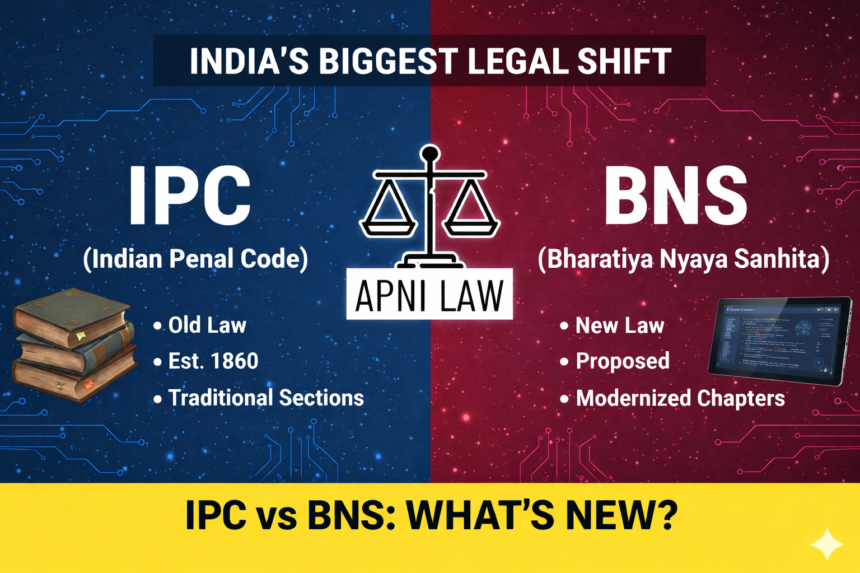
Kidnapping and abduction are serious offences that directly interfere with personal liberty and freedom of movement, both of which form an essential part of the right to life under Article 21 of the Constitution. Indian criminal law has long criminalised such acts, particularly when they involve women and children or are committed for unlawful purposes. Section 366 of the Indian Penal Code, 1860, addressed kidnapping and abduction of women for forced marriage or illicit intercourse. With the enactment of the Bharatiya Nyaya Sanhita, 2023, Section 74 replaces this provision. While the underlying protection remains the same, the new law improves clarity, modernises language, and reinforces victim-centric justice.
What offences were covered under Section 366 IPC?
Section 366 IPC criminalised the act of kidnapping or abducting any woman with the intent that she may be compelled to marry any person against her will or forced or seduced into illicit intercourse. The provision also applied where the accused knew that such compulsion was likely to occur. The offence attracted rigorous imprisonment of up to ten years along with fine.
Courts interpreted this section broadly to protect women from coercion, trafficking, and exploitation. In Shyam and Another v. State of Maharashtra, the Supreme Court clarified that the offence focuses on the intention of the accused rather than the consent of the woman at a later stage. This interpretation ensured that offenders could not escape liability by relying on subsequent events.
How does Section 74 BNS redefine kidnapping and abduction?
Section 74 of the Bharatiya Nyaya Sanhita substantially retains the substance of Section 366 IPC. The offence continues to cover kidnapping or abduction of a woman with the intent to compel marriage or force illicit sexual relations. However, the BNS adopts clearer and more direct language, making the provision easier to understand and apply.
By simplifying statutory phrasing, Section 74 removes ambiguity without narrowing the scope of protection. The emphasis remains on safeguarding personal liberty and preventing exploitation.
Has the punishment changed under the new law?
The punishment under Section 74 BNS remains consistent with the IPC framework. The offence continues to attract rigorous imprisonment which may extend to ten years, along with fine. Courts retain discretion to assess punishment based on the gravity of the offence and the circumstances involved.
This continuity signals that the legislature views offences involving coercion, forced marriage, and sexual exploitation as serious crimes requiring strict punishment.
How does intention play a role in these offences?
Intention forms the core element under both Section 366 IPC and Section 74 BNS. The prosecution must establish that the accused intended to compel marriage or force illicit intercourse, or knew that such an outcome was likely. Physical movement of the victim alone does not constitute the offence unless accompanied by the requisite mental element.
Courts infer intention from conduct, circumstances, and surrounding facts. The BNS does not dilute this requirement but clarifies it through better drafting, ensuring consistent judicial application.
Does Section 74 BNS strengthen protection for women?
Section 74 operates within a broader criminal law reform that prioritises dignity, autonomy, and victim protection. While the offence itself remains substantively unchanged, procedural reforms under the BNS enhance investigation efficiency and trial processes. These changes indirectly strengthen enforcement and reduce delays that often harm victims.
The clearer language of Section 74 also improves accessibility for victims and law enforcement agencies, reducing misinterpretation and procedural lapses.
How is kidnapping under this section different from general kidnapping offences?
Section 74 BNS specifically targets kidnapping and abduction for unlawful purposes such as forced marriage or sexual exploitation. It differs from general kidnapping provisions that focus primarily on unlawful confinement or movement. This distinction ensures proportional punishment and recognises the aggravated nature of offences involving coercion and exploitation of women.
By retaining this distinction, the BNS preserves the layered structure of criminal liability developed under the IPC.
Conclusion
Section 74 BNS replaces Section 366 IPC without weakening protection against kidnapping and abduction of women for unlawful purposes. The essential ingredients of the offence, the focus on intention, and the punishment structure remain intact. What changes is clarity. By modernising statutory language and reinforcing constitutional values of liberty and dignity, the Bharatiya Nyaya Sanhita strengthens the legal response to crimes involving coercion and exploitation. The transition reflects continuity in protection while embracing reformative and victim-centric criminal justice.