


Index
- Introduction: Dowry
- Dowry And Its Evolution
- Factors Contributing To The Persistence Of The Dowry System
- Legal Provisions Regarding Dowry Deaths In India
- Evolution Of The Dowry Prohibition Act And Challenges In Enforcement
- Amendments And Stringent Measures In The Dowry Prohibition Act
- Legal Precedents And Interpretations In Dowry Death Cases
- Challenges And Misuse In Implementing Dowry Laws
- Conclusion
Introduction: Dowry
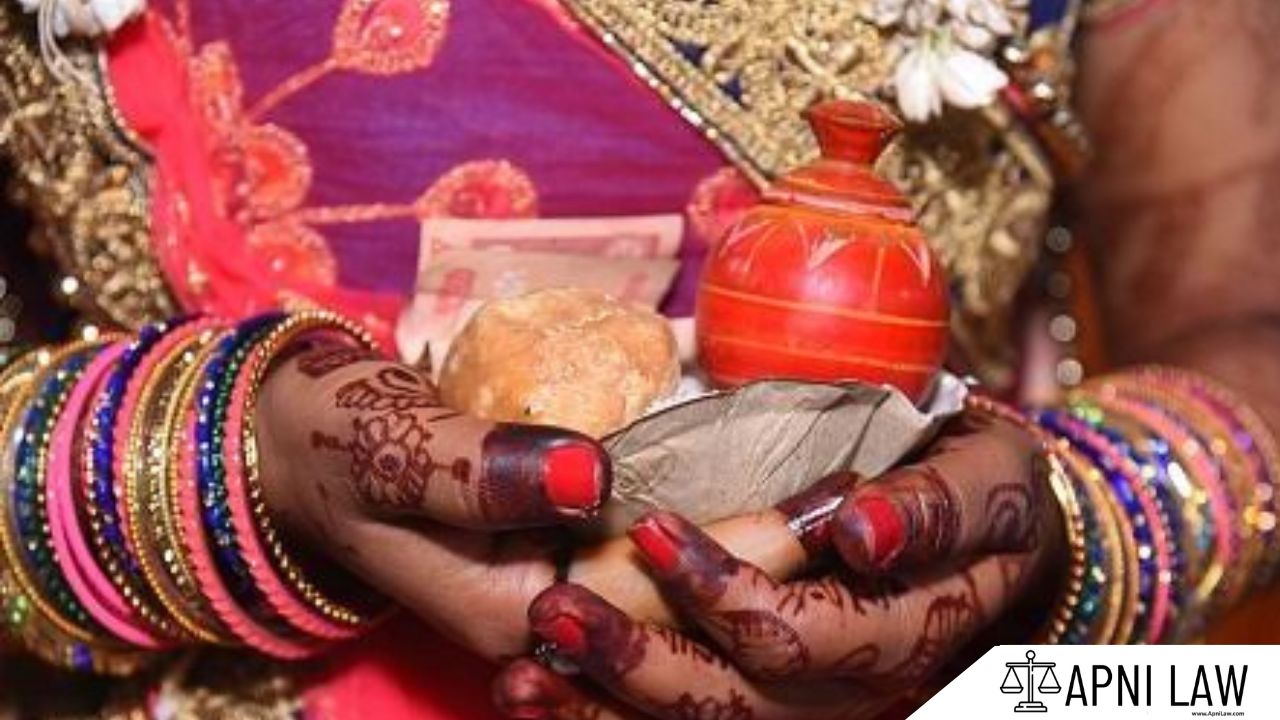
Dowry refers to gifts, including cash, goods, or household items. They are given by the bride’s family to the groom’s family to aid the newlyweds in starting their married life. Section 2 of the Dowry Prohibition Act, 1961, defines dowry as any property or valuable security. It is agreed to be given directly or indirectly by either party to a marriage or their parents.Dowry And Its Evolution
The historical origins of dowry in Asia are debated. Some scholars argue its ancient practice, while others claim it did not exist in antiquity. Ancient Indian history suggests dowry held little significance initially. This is with daughters having inheritance rights in the absence of brothers. It is exercised during marriage. There was also a system of “bride price” where the groom’s family gave gifts before marriage, but this was not widespread. Over time, dowry emerged from ceremonial adornments, leading to its misuse by the groom’s family, causing abuse against brides. The longstanding demand for dowry necessitates societal understanding to curb its practice effectively.Factors Contributing To The Persistence Of The Dowry System
The dowry system’s continued existence is often attributed to long standing traditions and customs. Many believe it to be an age-old practice essential for both families, where the bride’s family provides valuables to the groom’s family. In contemporary times, one of the most significant reasons behind the ongoing prevalence of the dowry system is the belief held by many that giving or receiving dowry enhances social status. There is a notion that the more extravagant the gifts exchanged, the greater the honour bestowed upon the families involved, thus perpetuating the system within our society. Illiteracy is a major issue in our nation and serves as a significant factor contributing to the persistence of the dowry system. Particularly in underdeveloped areas with low literacy rates, people are often unaware of the laws pertaining to dowry. This lack of awareness has fueled the continuation of dowry practices. Even among the literate population, understanding and adhering to anti-dowry laws can be challenging. Without proper awareness and education about these laws, their effectiveness remains limited. The consequences of dowry abuse can range from verbal harassment to severe cases such as dowry-related deaths, highlighting the urgent need for awareness and education to combat this harmful practice.Legal Provisions Regarding Dowry Deaths In India
Chapter XVI of the Indian Penal Code covers the offences affecting the human body. Under which Section 304B of the Indian Penal Code, “if a woman dies within the seven years of marriage by any burns or any other bodily injury or it was revealed that before her marriage she was exposed to cruelty or harassment by her husband or any other relative of the husband in connection to demand the dowry then the death of the woman will be considered as a dowry death.” Punishment for dowry death ranges from a minimum sentence of imprisonment for seven years and a maximum sentence extending to imprisonment for life. There are certain pre-requisite for consideration of dowry death laid under Section 304B of the Indian Penal Code which are as follows:- Death should be caused either by burns or bodily injury or by any other circumstances for that matter.
- Death must occur within or before seven years of marriage.
- It must also be revealed that soon after the marriage of the bride, she was exposed to some sort of cruelty or harassment by her husband or any other relative.
- And lastly, her cruelty or harassment of her should be connected with the demand for dowry.




