Why Does the FIR Matter in Criminal Law?
An FIR is the first formal step in the criminal justice process. It turns a private complaint into a matter of public concern. Once the police register an FIR, they gain legal authority to investigate a cognizable offence. Without it, the criminal process cannot move forward.
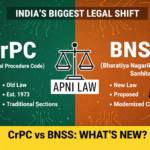
Indian law earlier governed FIR registration under Section 154 of the Criminal Procedure Code, 1973. With the introduction of the Bharatiya Nagarik Suraksha Sanhita, 2023, the law now focuses more strongly on what happens after registration. Section 173 BNSS connects FIR registration with investigation timelines and accountability. Together, these provisions reshape how criminal procedure works in practice.
What Does Section 154 CrPC Actually Provide?
Section 154 CrPC explains how the police must register an FIR when someone reports a cognizable offence. The law leaves no room for discretion. If the information reveals such an offence, the police must record it.
A person may give information orally or in writing. When the information is oral, the police officer writes it down and reads it back to the informant. After this, the informant signs or gives a thumb impression. The police must also give a free copy of the FIR to the informant. These steps ensure clarity and prevent later disputes.
The provision exists to ensure immediate recognition of crime. It fixes responsibility on the police from the very beginning and creates an official record of the allegation.
How Does Section 154 CrPC Protect Ordinary Citizens?
Section 154 CrPC protects citizens from police inaction. It prevents officers from refusing or delaying FIR registration without legal justification. Courts have repeatedly clarified that the police cannot test the truth of allegations before registering an FIR, except in limited situations recognised by law.
This protection strengthens public trust. When the police register FIRs promptly, victims gain confidence that the system will respond. At the same time, the written record also protects accused persons from later exaggeration or manipulation of facts.
What Is Section 173 BNSS and Why Was It Introduced?
Section 173 of the Bharatiya Nagarik Suraksha Sanhita, 2023 applies after the FIR is registered. It governs how and when the police must complete the investigation and submit their report to the Magistrate. This provision replaces the old Section 173 CrPC but adds stronger structure.
The lawmakers introduced Section 173 BNSS to address delays that often followed FIR registration. Many cases remained under investigation for years. The new provision focuses on timely completion and proper reporting rather than endless inquiry.
What Changes Does Section 173 BNSS Bring to Investigation?
The most important reform under Section 173 BNSS is the focus on time-bound investigation. The law expects investigating officers to complete their work within prescribed timelines, especially in serious offences. This change reduces uncertainty for both victims and accused persons.
Another major reform is the acceptance of electronic submission of investigation reports. Police officers can now submit reports and supporting documents digitally. This step improves efficiency and reduces procedural delays.
Judicial oversight has also increased. Magistrates now monitor investigation progress more closely. This supervision ensures that FIRs do not remain inactive after registration.
How Do Section 154 CrPC and Section 173 BNSS Work Together?
Both provisions operate at different stages, but they serve a common goal. Section 154 CrPC ensures entry into the criminal justice system. Section 173 BNSS ensures movement within it.
In simple terms, Section 154 CrPC starts the process, while Section 173 BNSS pushes it forward. One focuses on recording crime. The other focuses on completing investigation responsibly.
Why Are These Changes Important in Real Life?
These reforms benefit everyone involved. Victims receive quicker investigation outcomes. Accused persons avoid prolonged uncertainty. Courts receive investigation reports in a more organised and timely manner.
The shift from CrPC to BNSS reflects a larger reform mindset. The law now values efficiency as much as formality. Justice no longer ends at FIR registration. It continues until the investigation reaches a meaningful conclusion.
Conclusion
Section 154 CrPC remains the foundation of FIR registration in India. Section 173 BNSS strengthens what follows after registration. Together, they reflect a modern criminal justice system that values transparency, accountability, and speed. The law now demands not only that crimes be recorded, but also that investigations move forward without delay.