Introduction
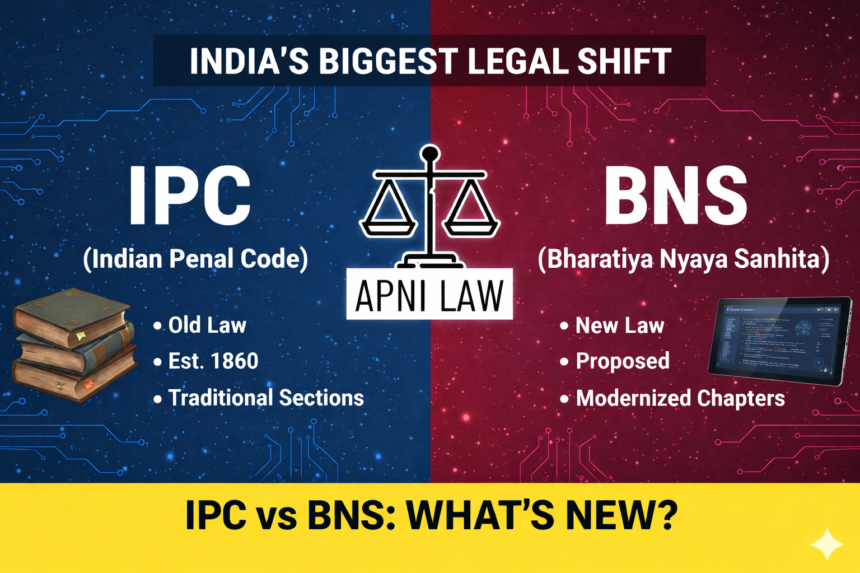
Robbery remains a serious criminal offense under Indian criminal law. With the introduction of the Bharatiya Nyaya Sanhita, lawmakers retained the core principles of punishment while modernizing legal language and procedure. Section 309 of the BNS now replaces Section 392 of the Indian Penal Code. Both provisions deal specifically with punishment for robbery. The intent of the law remains unchanged. The focus stays on deterrence, victim protection, and public safety.
What Does Section 392 of the IPC Say About Robbery?
Section 392 of the Indian Penal Code prescribes punishment for committing robbery. The law treats robbery as an aggravated form of theft or extortion involving violence or fear of instant harm. Anyone who commits robbery faces rigorous imprisonment that may extend up to ten years. The court may also impose a fine.
If the robbery occurs on a highway between sunset and sunrise, the law increases the severity. In such cases, imprisonment may extend up to fourteen years along with a fine. This enhanced punishment reflects the increased vulnerability of victims during nighttime travel.
The offense under Section 392 is cognizable. Police may arrest without a warrant. It is non-bailable. Courts do not grant bail as a matter of right. A Magistrate of the First Class tries the offense, ensuring judicial scrutiny at an early stage.
How Does Section 309 of the Bharatiya Nyaya Sanhita Define Robbery Punishment?
Section 309 of the Bharatiya Nyaya Sanhita directly corresponds to Section 392 IPC. It retains the same punishment structure. Anyone who commits robbery faces rigorous imprisonment up to ten years along with a fine. When robbery occurs on a highway between sunset and sunrise, the punishment may extend to fourteen years with a fine.
The BNS does not increase the punishment. Instead, it clarifies legal language and aligns the provision with modern criminal justice standards. The lawmakers aimed for continuity rather than drastic change. This approach ensures legal certainty and smooth transition from IPC to BNS.
Is There Any Difference in the Quantum of Punishment Under BNS and IPC?
There is no difference in the quantum of punishment. Both laws prescribe identical imprisonment terms and fines. The maximum punishment remains ten years for ordinary robbery and fourteen years for nighttime highway robbery.
The similarity confirms that robbery continues to be viewed as a grave offense. The legislature deliberately avoided reducing or enhancing penalties. This decision maintains judicial consistency and preserves established legal interpretations.
What Procedural Changes Appear Under Section 309 BNS?
While punishment remains unchanged, procedural emphasis has evolved. The Bharatiya Nyaya Sanhita operates alongside updated criminal procedure laws. These laws promote digital registration of FIRs and faster reporting mechanisms. Victim-centric processes now receive greater attention.
Section 309 BNS fits into a reform framework. It supports technology-driven policing and efficient investigation. These procedural improvements strengthen enforcement without altering substantive criminal liability.
Is Robbery Still Cognizable and Non-Bailable Under BNS?
Yes. Robbery under Section 309 BNS remains cognizable and non-bailable. Police authorities retain the power to arrest without a warrant. Courts continue to treat the offense seriously during bail consideration.
The offense remains triable by a Magistrate of the First Class. This ensures prompt judicial oversight while allowing higher courts to intervene when necessary. The legal character of the offense remains unchanged from the IPC regime.
Why Does the Law Prescribe Harsher Punishment for Highway Robbery at Night?
The law recognizes the heightened risk faced by travelers during nighttime. Darkness reduces visibility and limits immediate assistance. Criminals exploit these conditions to commit violent crimes.
By extending punishment to fourteen years, the law aims to deter such offenses. It also signals strong condemnation of crimes that endanger public safety on highways. Both IPC and BNS reflect this policy choice without modification.
Does Section 309 BNS Introduce Any New Legal Interpretation of Robbery?
Section 309 BNS does not redefine robbery. The definition continues to rely on the foundational concepts of theft and extortion accompanied by violence or fear. Courts may continue to rely on earlier IPC case law for interpretation.
This continuity benefits legal practitioners and judges. Existing precedents remain relevant. Legal clarity improves rather than diminishes under the new framework.
Why Is Section 309 BNS Considered a Modernized Version of Section 392 IPC?
The modernization lies in language and integration with updated procedural laws. The BNS uses clearer drafting and avoids colonial-era phrasing. It aligns the offense with contemporary criminal justice goals.
The focus on digital FIRs, victim rights, and speedy trials reflects present-day realities. These changes improve implementation while preserving the seriousness of robbery as a crime.
Conclusion
Robbery continues to attract strict punishment under Indian law. Section 309 BNS fully replaces Section 392 IPC without altering punishment severity. Rigorous imprisonment, substantial fines, and strict procedural treatment remain the norm.
The transition from IPC to BNS represents reform without dilution. Robbery remains a serious offense that threatens personal safety and public order. The law responds with firmness, clarity, and modern enforcement tools.