By using this site, you agree to the Privacy Policy and Terms of Use.
Accept
ApniLawApniLawApniLaw
  • Home
  • Find a Lawyer
  • Our Services
  • Law Forum
  • Legal News
  • Judgments
  • Knowledge Hub
    • Bare Acts
      • BNS
      • BNSS
      • BSA
      • CrPC
      • CPC
      • DPDP
      • Hindu Marriage Act
      • Hindu Succession Act
      • The Hindu Adoptions And Maintenance Act
      • The Hindu Minority and Guardianship Act
      • IPC
      • Juvenile Justice Act
      • POCSO
      • Special Marriage Act
      • The Specific Relief Act
    • Supreme Court
    • High Court
    • Legal Articles
    • UPSC
    • Job Updates
    • Marriage and Divorce
    • Land Dispute & Will
    • Civil
    • Criminal
  • About Us
Reading: Kerala High Court: Children from Void Second Marriage Entitled to Equal Share in Deceased Employee’s Pensionary Benefits
Share
Notification Show More
Font ResizerAa
ApniLawApniLaw
Font ResizerAa
  • Home
  • Find a Lawyer
  • Our Services
  • Law Forum
  • Legal News
  • Judgments
  • Knowledge Hub
  • About Us
  • Home
  • Find a Lawyer
  • Our Services
  • Law Forum
  • Legal News
  • Judgments
  • Knowledge Hub
    • Bare Acts
    • Supreme Court
    • High Court
    • Legal Articles
    • UPSC
    • Job Updates
    • Marriage and Divorce
    • Land Dispute & Will
    • Civil
    • Criminal
  • About Us
Have an existing account? Sign In
Follow US
  • Advertise
© 2022 Foxiz News Network. Ruby Design Company. All Rights Reserved.
ApniLaw > Blog > Legal Articles > Documentation > Kerala High Court: Children from Void Second Marriage Entitled to Equal Share in Deceased Employee’s Pensionary Benefits
Documentation

Kerala High Court: Children from Void Second Marriage Entitled to Equal Share in Deceased Employee’s Pensionary Benefits

Amna Kabeer
Last updated: July 16, 2026 11:18 pm
Amna Kabeer
5 months ago
Share
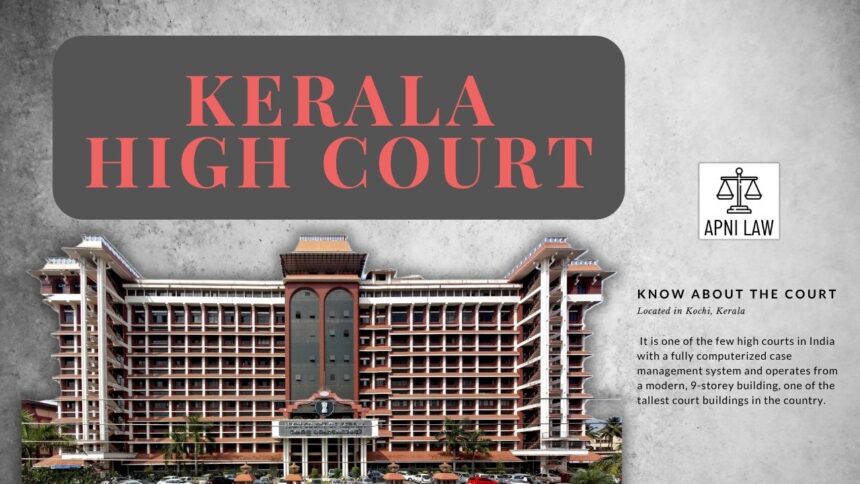
Kerala High Court
Kerala High Court
SHARE

Introduction

The Kerala High Court has reaffirmed that while a second wife in a void marriage is not entitled to the service or pensionary benefits of a deceased government employee, the children born from such a relationship are legitimate under the Hindu Marriage Act, 1955 and are entitled to an equal share in the employee’s death-cum-retirement benefits and family pension until they attain majority. Justice Shoba Annamma Eapen delivered the judgment while deciding a dispute concerning the terminal benefits of a deceased KSRTC employee.

Contents
IntroductionLegal IssueBackgroundCourt’s Decision

Legal Issue

The primary issue before the Court was whether a woman claiming to be the second wife of a deceased government employee could claim his service and pensionary benefits, and whether the children born from the second relationship were entitled to such benefits under the law.

Background

The dispute arose after both the deceased employee’s legally wedded wife and a woman claiming to be his second wife sought release of his terminal benefits. KSRTC informed the Court that since rival claims had been received, it had directed the parties to produce a succession certificate. As none was produced, the Corporation withheld the benefits.

The woman claiming to be the second wife relied on the fact that she had been nominated in the deceased’s LIC policies to support her claim. The legally wedded wife, however, relied on the Supreme Court’s decision in Rameshwari Devi v. State of Bihar, which held that a second marriage contracted during the subsistence of a valid first marriage is void and the second wife cannot be treated as the widow of the deceased employee.

The legal heirship certificate placed before the Court showed that the first wife was the legally wedded spouse and that the children born from the second relationship were also recognised as legal heirs.

ApniLaw AI

Need the case law behind this point?

Ask ApniLaw AI in plain words. Every point of the answer shows the judgment paragraph or Act section behind it, with its page and paragraph number.

Explore ApniLaw AI

Court’s Decision

The Court found that there was no dispute regarding the validity of the first marriage and no evidence to establish the legality of the alleged second marriage. Since the first marriage was subsisting, the second marriage was void under the Hindu Marriage Act.

However, relying on Section 16 of the Hindu Marriage Act, 1955, the Court reiterated that children born from a void marriage are legitimate. It held that although the second wife is not entitled to family pension or retirement benefits, the children born from the second relationship are entitled to an equal share in the deceased employee’s death-cum-retirement benefits and family pension until they attain majority.

Accordingly, the Court directed KSRTC to disburse the death-cum-retirement gratuity, retirement benefits, and family pension among all the legal heirs in accordance with law.

The Court also directed KSRTC to consider the deceased employee’s son’s application for compassionate appointment within three months. It clarified that if he chose not to seek appointment, the children from the second relationship would be at liberty to apply, subject to eligibility under the applicable scheme.

Case: Vasantha K and Another v. Kerala State Road Transport Corporation and Others

Join Telegram Channel Join WhatsApp Channel

You Might Also Like

Consensual Love Among Teenagers Should Not Be Criminalized Under POCSO: Delhi HC

How To File A Criminal Complaint?

Can a College Ban Your Phone?

How to Apply for a Senior Citizen Concession on Bus Travel in India

Common Legal Mistakes Foreign Companies Make While Sourcing from India

TAGGED:Employee Deceased PensionKerala High CourtMinor ChildrenpensionVoid Marriage
Share This Article
Facebook Whatsapp Whatsapp Telegram Print
Previous Article Cantract-Law Can Foreign Companies Sign Contracts Electronically with Indian Businesses?
Next Article Madras High Court Madras High Court: WhatsApp Chats Alleging Drug Use Can Be Considered in Child Custody Cases Despite Privacy Concerns
1 Comment
  • Pingback: Andhra Pradesh High Court: Registered Gift Deed Cannot Be Unilaterally Revoked by Donor Through a Revocation Deed - ApniLaw

Leave a Reply Cancel reply

You must be logged in to post a comment.

Follow US

Find US on Social Medias
FacebookLike
XFollow
InstagramFollow
YoutubeSubscribe
TelegramFollow
WhatsAppFollow

Weekly Newsletter

Subscribe to our newsletter to get our newest articles instantly!
Popular News
POSH - How To File A Case Under The Maternity Benefit Act?
NewsOrissa High CourtWomen Rights

Contractual Women Employees Also Entitled to Maternity Leave: Orissa HC

Amna Kabeer
By Amna Kabeer
1 year ago
IPC Section 468 : Forgery For Purposes Of Cheating
Husband Must Continue To Pay Maintenance Even When Divorce Proceedings Are Stayed: Allahabad HC
Phone Tapping Violates Right to Privacy under Article 21 Without Legal Grounds: Madras HC
Attempted Offence Under Section 377 IPC Is Punishable Under Section 511 IPC: Kerala HC
- Advertisement -
Ad imageAd image

Your one-stop destination for legal news, articles, queries, and a directory of lawyers in India – all under one roof at ApniLaw.

Stay Updated

  • BNSS
  • News
  • Documentation
  • Acts
  • Supreme Court
  • High Court
  • Judgments

Information

  • ApniLaw Services
  • About Us
  • Contact Us
  • Disclaimer
  • Privacy Policy
  • Terms of Service

Advertise

  • Advertise with us
  • Newsletters
  • Deal

Find Us on Socials

ApniLawApniLaw
Follow US
© ApniLaw 2026. All Rights Reserved.
login
Welcome Back!

Sign in to your account

Or
Username or Email Address
Password

Lost your password?