
By using this site, you agree to the Privacy Policy and Terms of Use.
Accept
ApniLawApniLawApniLaw
  • Home
  • Find a Lawyer
  • Our Services
  • Law Forum
  • Legal News
  • Judgments
  • Knowledge Hub
    • Bare Acts
      • BNS
      • BNSS
      • BSA
      • CrPC
      • CPC
      • DPDP
      • Hindu Marriage Act
      • Hindu Succession Act
      • The Hindu Adoptions And Maintenance Act
      • The Hindu Minority and Guardianship Act
      • IPC
      • Juvenile Justice Act
      • POCSO
      • Special Marriage Act
      • The Specific Relief Act
    • Supreme Court
    • High Court
    • Legal Articles
    • UPSC
    • Job Updates
    • Marriage and Divorce
    • Land Dispute & Will
    • Civil
    • Criminal
  • About Us
Reading: Family Pension Of Deceased Employee Can Be Equally Shared Between First And Second Wife Through Voluntary Compromise: HP High Court
Share
Notification Show More
Font ResizerAa
ApniLawApniLaw
Font ResizerAa
  • Home
  • Find a Lawyer
  • Our Services
  • Law Forum
  • Legal News
  • Judgments
  • Knowledge Hub
  • About Us
  • Home
  • Find a Lawyer
  • Our Services
  • Law Forum
  • Legal News
  • Judgments
  • Knowledge Hub
    • Bare Acts
    • Supreme Court
    • High Court
    • Legal Articles
    • UPSC
    • Job Updates
    • Marriage and Divorce
    • Land Dispute & Will
    • Civil
    • Criminal
  • About Us
Have an existing account? Sign In
Follow US
  • Advertise
© 2022 Foxiz News Network. Ruby Design Company. All Rights Reserved.
ApniLaw > Blog > News > Family > Women Rights > Family Pension Of Deceased Employee Can Be Equally Shared Between First And Second Wife Through Voluntary Compromise: HP High Court
FamilyHimachal Pradesh High CourtWomen Rights

Family Pension Of Deceased Employee Can Be Equally Shared Between First And Second Wife Through Voluntary Compromise: HP High Court

Amna Kabeer
Last updated: September 24, 2025 1:30 am
Amna Kabeer
1 year ago
Share
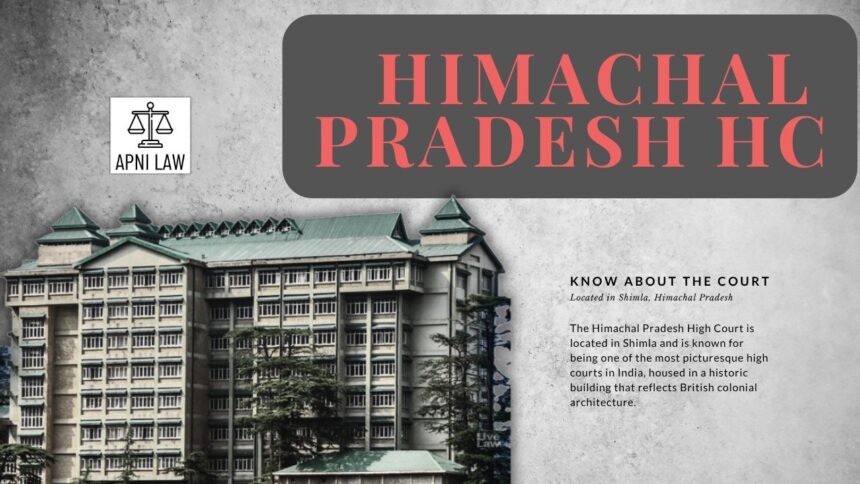
Himachal Pradesh High Court
SHARE

Introduction

In Kamla Devi vs. State of Himachal Pradesh & Ors. (LPA No. 330 of 2025), the Himachal Pradesh High Court held that family pension of a deceased employee can be equally shared between his first and second wife through a voluntary compromise. Chief Justice G. S. Sandhawalia and Justice Ranjan Sharma presided over the Division Bench. The case clarifies how pension laws interact with multiple marriages when both wives agree to settle.

Contents
IntroductionFacts of the CaseWhat the Court SaysImplicationsConclusion

Facts of the Case

Sohan Lal worked as an Assistant Sub-Inspector for the Police Department. He retired, then died on 2 March 2023. His first marriage was to Kamla Devi on 6 December 1970. They had a daughter, born 19 April 1976. Later, Kamla Devi and Sohan Lal separated. Sohan Lal then married Gaitri Devi on 2 February 1979. They had four children.

After Sohan Lal’s death the Accountant General sanctioned the family pension in favour of Gaitri Devi. The pension documents listed her as wife in the service records. Kamla Devi filed a writ petition to claim her share of the pension. The Single Judge dismissed her petition on 15 July 2024.

During appeal, both Kamla Devi (first wife) and Gaitri Devi (second wife) agreed to share the pension equally. They recorded their statements before the Registrar (Judicial). Each agreed to receive 50% of the family pension. The statements declared that the agreement was voluntary, without fear, fraud, undue influence, or misrepresentation.

What the Court Says

The Court reviewed the marriages and the children from each marriage. It noted that Gaitri Devi was given pension because she appears in the service record. But it also noted that Kamla Devi is the first legally wedded wife. The High Court accepted the compromise between Kamla Devi and Gaitri Devi. It found that both wives willingly agreed to equal sharing.

ApniLaw AI

Need the case law behind this point?

Ask ApniLaw AI in plain words. Every point of the answer shows the judgment paragraph or Act section behind it, with its page and paragraph number.

Explore ApniLaw AI

The High Court held that the order of the Single Judge cannot stand once both wives agree. The Court set aside the Single Judge’s decision. It directed the State to revise the pension file and to give 50% each to Kamla Devi and Gaitri Devi. The Court ordered the pension authorities to complete formalities within four weeks.

Implications

This judgment means that when a deceased employee leaves pension benefits, the first and second wife can lawfully share the pension if both agree. It establishes that voluntary compromise between claimants is valid. The decision may affect how pension authorities record names in service documents. It may encourage amicable settlements in similar cases. It also signals that courts will enforce equal division when free will and proper process prevail.

For any specific query call at ‪+91 – 8569843472‬

Conclusion

The Himachal Pradesh High Court in Kamla Devi vs State of Himachal Pradesh & Ors. ruled that first and second wives can share family pension equally if they freely agree. The Court set aside older rulings that denied such sharing when only one wife is recognized in records. The decision guides pension authorities and courts to respect voluntary settlements in cases of multiple marriages.

Join Telegram Channel Join WhatsApp Channel

You Might Also Like

Divorce Petition Within One Year Requires Separate Application Under Hindu Marriage Act: Orissa HC

Offence Under Section 498-A IPC Begins From The Last Act Of Cruelty: Bombay High Court

Summary Of Women’s Rights: Punjab & Haryana High Court’s Role in Women’s Justice

What Are The Rights Of Women In India

Wife’s Continuation Of Criminal Prosecution Under Section 498A After Accepting Foreign Divorce Decree Is Abuse Of Law: Delhi High Court

TAGGED:Deceased SpouseFamily pensionHimachal Pradesh High CourtpensionPension RightsPolygamy
Share This Article
Facebook Whatsapp Whatsapp Telegram Print
Previous Article Identity Theft - Digital Cyber Crime Section 66C of the IT Act: Identity Theft in the Digital Age
Next Article Delhi High Court Disagreement Between Passenger And Airline Over Refund Of Flight Ticket Does Not Fall Under Commercial Dispute: Delhi HC
4 Comments
  • Pingback: Wife’s Repeated Absence Matrimonial Home And Filing Of Multiple Complaints Against Her Husband Amount To Cruelty: Delhi HC - ApniLaw
  • Pingback: Relation Between President and Prime Minister Explained - ApniLaw
  • Pingback: Powers of the Prime Minister: Political and Administrative - ApniLaw
  • Pingback: Prime Minister of India: Appointment and Role - ApniLaw

Leave a Reply Cancel reply

You must be logged in to post a comment.

Follow US

Find US on Social Medias
FacebookLike
XFollow
InstagramFollow
YoutubeSubscribe
TelegramFollow
WhatsAppFollow

Weekly Newsletter

Subscribe to our newsletter to get our newest articles instantly!
Popular News
Understanding Alimony And Maintenance Laws For NRI?
FamilyNewsOrissa High CourtWomen Rights

Unemployed Husband Cannot Avoid Maintenance Responsibility: Orissa HC

Amna Kabeer
By Amna Kabeer
2 years ago
Supreme Court: Non-Mention Of Background In Termination Order Doesn’t Exempt It From Scrutiny
No Strict Proof Needed for Brides Claiming Gold Entrusted To In-Laws: Kerala HC
Non-Consensual Unnatural Sex by Husband Punishable under Section 377 IPC: Allahabad HC
Plea Against Multiple FIRs: Supreme Court Issues Notice On Ashish Chanchlani
- Advertisement -
Ad imageAd image

Your one-stop destination for legal news, articles, queries, and a directory of lawyers in India – all under one roof at ApniLaw.

Stay Updated

  • BNSS
  • News
  • Documentation
  • Acts
  • Supreme Court
  • High Court
  • Judgments

Information

  • ApniLaw Services
  • About Us
  • Contact Us
  • Disclaimer
  • Privacy Policy
  • Terms of Service

Advertise

  • Advertise with us
  • Newsletters
  • Deal

Find Us on Socials

ApniLawApniLaw
Follow US
© ApniLaw 2026. All Rights Reserved.
login
Welcome Back!

Sign in to your account

Or
Username or Email Address
Password

Lost your password?

