Introduction
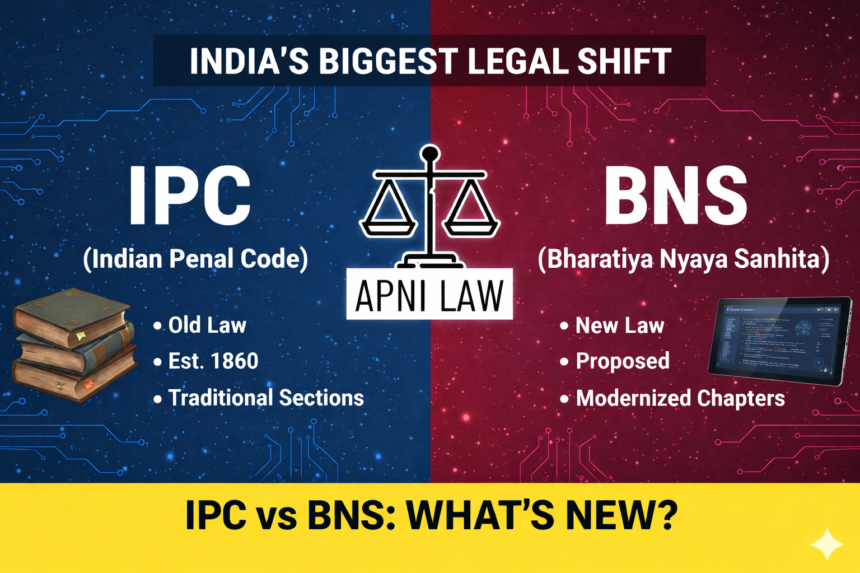
Section 357 of the Bharatiya Nyaya Sanhita, 2023 prescribes punishment for the offence of theft. It directly corresponds to Section 379 of the Indian Penal Code, 1860. Both provisions apply after theft is defined under their respective sections, namely Section 303 of BNS and Section 378 of IPC. The legislature retained the same punishment framework while transitioning from IPC to BNS. This ensures legal continuity and clarity in prosecuting theft offences across India.
How Does BNS 357 Compare With IPC 379?
Section 357 BNS mirrors Section 379 IPC almost verbatim. The nature of the offence remains unchanged. Theft continues to mean dishonest removal of movable property from another person’s possession without consent. The offender must intend to permanently deprive the owner of that property. The punishment also remains identical. This shows that the lawmakers did not intend to dilute or enhance penalties for basic theft while introducing the new criminal code.
What Is the Maximum Punishment Prescribed for Theft?
Both Section 357 BNS and Section 379 IPC provide a maximum punishment of imprisonment for up to three years. The court may impose simple imprisonment or rigorous imprisonment. The law also allows the imposition of a fine. The court can award both imprisonment and fine together. There is no mandatory minimum sentence. In suitable cases, the court may impose only a fine without imprisonment.
Does the Law Treat All Theft Cases the Same?
The punishment under Section 357 BNS and Section 379 IPC applies only to simple theft. It does not cover aggravated forms of theft. When theft involves preparation for causing death, hurt, or restraint, separate provisions apply. These aggravated offences attract stricter punishment under BNS Section 306 and IPC Section 382. Theft committed in a dwelling house also carries enhanced punishment under BNS Section 305 and IPC Section 380.
What Is the Legal Nature of the Offence of Theft?
The offence of theft is cognizable in nature. This allows the police to register an FIR and start investigation without prior court approval. Courts generally treat theft as a non-bailable offence, although bail may be granted based on facts. Any magistrate can try offences under these sections. The law also allows compounding of the offence by the owner of the stolen property, subject to legal procedure.
Has the Introduction of BNS Changed Theft Laws in India?
The Bharatiya Nyaya Sanhita replaced the Indian Penal Code with effect from 1 July 2024. Despite this structural change, the punishment for theft remains unchanged. Section 357 BNS carries forward the same language and penalty as Section 379 IPC. This smooth transition avoids confusion and ensures that ongoing prosecutions and future cases follow a consistent legal approach.
Why Did the Legislature Retain the Same Punishment?
Theft is a foundational property offence. Courts and enforcement agencies have long applied settled principles while dealing with theft cases. Retaining the same punishment avoids disruption in judicial interpretation. It also reflects the legislature’s view that the existing punishment adequately balances deterrence and proportionality for basic theft offences.
How Do Courts Decide the Quantum of Punishment?
After conviction, courts conduct a sentencing hearing. Judges consider multiple factors while deciding punishment. These include the value of the stolen property, the manner of commission, the offender’s criminal history, and the harm caused to the victim. First-time offenders may receive leniency. Repeat offenders may face harsher punishment within the statutory limit.
Does Theft Under BNS Still Require Dishonest Intention?
Yes. Dishonest intention remains the core element of theft under BNS. The prosecution must prove that the accused intended to cause wrongful gain or wrongful loss. Mere removal of property without dishonest intent does not amount to theft. This requirement remains unchanged from IPC jurisprudence.
How Does Section 357 BNS Affect Ongoing or Future Cases?
All offences committed after 1 July 2024 fall under the Bharatiya Nyaya Sanhita. Theft committed before that date continues under IPC provisions. Since the punishment is identical, courts face no conflict while determining sentences. Legal practitioners can rely on existing precedents while arguing theft cases under the new code.
Is There Any Practical Difference Between IPC 379 and BNS 357?
In practical terms, there is no difference in punishment, offence structure, or trial process. The change is purely legislative and nomenclatural. Section numbers have changed, but legal consequences remain the same.
Why Is This Comparison Important for Legal Awareness?
Understanding the similarity between Section 357 BNS and Section 379 IPC helps avoid confusion. Many people still refer to IPC provisions out of habit. Knowing the corresponding BNS section ensures accuracy in legal drafting, police reports, and court proceedings. It also helps citizens understand their rights and liabilities under the updated criminal law system.
Conclusion
The punishment for theft in India remains imprisonment up to three years, or fine, or both. Section 357 of the Bharatiya Nyaya Sanhita preserves the same legal standard established under Section 379 of the Indian Penal Code. The offence, procedure, and punishment continue without substantive change, ensuring stability and consistency in criminal justice administration.