Introduction
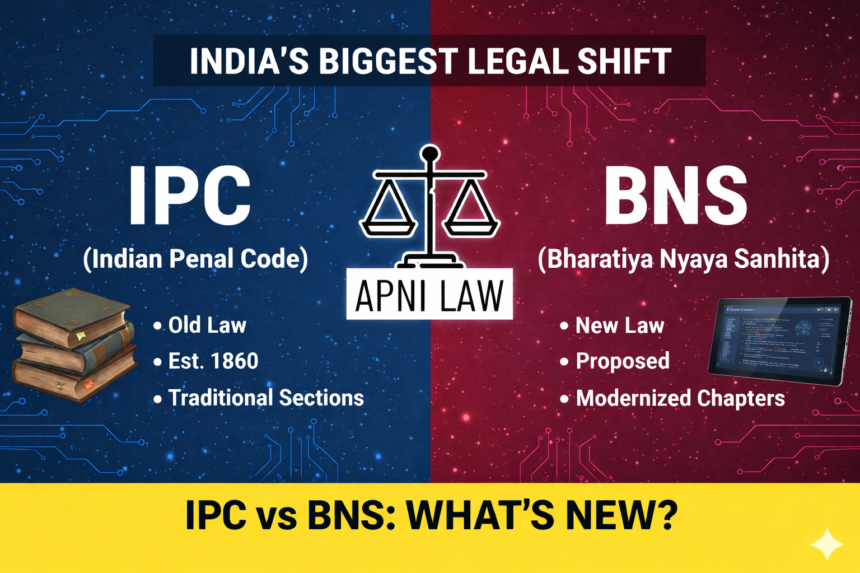
Section 356 of the Bharatiya Nyaya Sanhita, 2023 replaces Section 499 of the Indian Penal Code, 1860 and governs the offence of criminal defamation under India’s new criminal law regime effective from 1 July 2024. The provision substantially reproduces the language of Section 499 IPC and carries forward the same legal understanding of what amounts to defamation. The change lies not in the definition but in improved structuring, updated punishment linkage, and procedural alignment with the Bharatiya Nagarik Suraksha Sanhita.
How Is Defamation Defined Under Section 356 BNS?
Section 356(1) BNS defines defamation in the same manner as Section 499 IPC. Any person who makes or publishes an imputation concerning another person, by spoken or written words, signs, or visible representations, with the intention of harming or with knowledge that such imputation will harm the reputation of that person, commits defamation. Reputation is considered harmed if the imputation lowers a person’s moral or intellectual character, professional standing, caste, creditworthiness, or bodily condition in the estimation of others.
Do the Explanations Under IPC Section 499 Continue in BNS Section 356?
All explanations under Section 499 IPC have been retained word for word in Section 356 BNS. This includes imputations against deceased persons, imputations against companies or associations, ironic or indirect statements, and clarification on what constitutes harm to reputation. The illustrations explaining indirect accusations, insinuations, and contextual meaning also remain unchanged, ensuring continuity in judicial interpretation.
Are the Exceptions to Defamation the Same Under BNS?
Section 356 BNS preserves all ten exceptions that were available under Section 499 IPC. These exceptions protect good faith imputations made for public good, truthful opinions on the conduct of public servants, fair criticism of public performances, reports of judicial proceedings, and lawful censure by persons in authority such as judges, employers, or parents. Defences like truth coupled with public interest remain fully applicable under the BNS.
Has the Structure of the Defamation Law Changed Under BNS?
While the substance of the law remains the same, the structure has been refined under Section 356 BNS. The provision is divided into subsections that separately deal with definition, punishment, printing defamatory matter, and sale or distribution of defamatory content. This restructuring enhances clarity and readability without altering the offence itself.
What Is the Punishment for Defamation Under Section 356 BNS?
The punishment framework under Section 356 BNS aligns with the earlier IPC Section 500. A person convicted of defamation may face simple imprisonment for up to two years, or fine, or both. Additionally, the BNS introduces community service as a reformative option in suitable minor or first-time cases, reflecting a modern and balanced sentencing approach.
How Does BNS Treat Printing and Publishing Defamatory Content?
Acts previously covered under IPC Sections 501 and 502 relating to printing, engraving, selling, or distributing defamatory material are now included under Section 356(3) and 356(4) BNS. The punishments remain similar to the IPC regime, but procedural flexibility has been enhanced, especially in relation to compounding and settlement under the new procedural law.
Does Section 356 BNS Apply to Online and Social Media Defamation?
Yes, the broad wording of Section 356 BNS fully covers defamatory content published on digital platforms, including social media posts, online articles, videos, and images. Courts have consistently treated online imputations as “visible representations” or “words intended to be read,” making cyber defamation squarely punishable under this provision.
What Is the Practical Impact of Replacing Section 499 IPC With Section 356 BNS?
The replacement ensures continuity rather than disruption. All judicial precedents interpreting Section 499 IPC continue to apply to Section 356 BNS. Lawyers, judges, and law enforcement authorities can rely on established case law while benefiting from a cleaner statutory structure and updated sentencing philosophy.
Why Is Section 356 BNS Important in the New Criminal Law Framework?
Section 356 BNS reflects the legislative intent to modernise criminal law without disturbing settled legal principles. By retaining the core definition and defences of defamation while introducing reform-oriented punishment options and clearer drafting, the provision balances freedom of speech with protection of reputation in contemporary Indian society.
Conclusion
No substantive change has been made to the offence itself. Criminal defamation remains an offence based on intention, publication, and reputational harm, subject to statutory exceptions. Section 356 BNS simply carries forward Section 499 IPC into the new criminal code with clarity, consistency, and procedural harmony.