Introduction
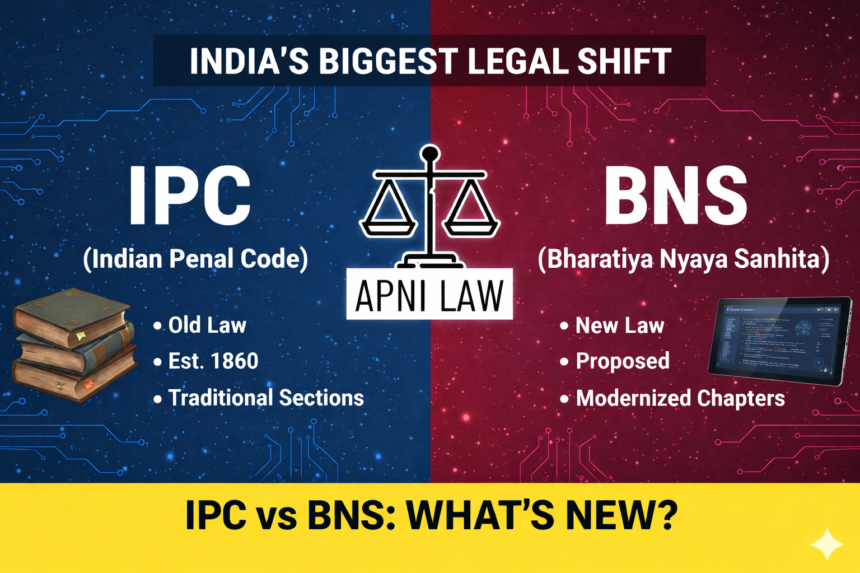
Section 351 of the Bharatiya Nyaya Sanhita, 2023 defines the offence of criminal intimidation. It replaces Section 503 of the Indian Penal Code after the IPC repeal in 2024. The provision focuses on threats that cause fear or pressure a person into acting against the law or refraining from lawful action. The legislature retained the original structure to ensure continuity in criminal law enforcement. Section 351 preserves the same legal intent, language, and scope that courts applied under the IPC for decades.
How Did Section 503 IPC Define Criminal Intimidation?
Section 503 of the Indian Penal Code explained criminal intimidation in clear terms. It criminalised threats to cause injury to a person, their reputation, or their property. The law also recognised threats against individuals connected to the victim. The provision aimed to protect mental peace and free will. Courts consistently held that intimidation affected not just physical safety but also dignity and social standing. This definition laid the foundation for the current BNS provision.
How Do Section 351 BNS and Section 503 IPC Compare?
Section 351 of the BNS mirrors Section 503 IPC almost word for word. The definition, explanation, and illustrations remain unchanged. Both provisions treat criminal intimidation as an offence against personal liberty. The continuity helps legal professionals apply earlier judgments without confusion. The transition from IPC to BNS did not disturb settled legal principles. Prosecutors and courts rely on existing interpretations while applying the new code.
What Constitutes a Threat Under These Provisions?
A threat under Section 351 involves the intention to cause alarm. The accused must threaten injury to body, property, or reputation. The threat may target the victim directly or someone close to them. The focus remains on the impact of the threat rather than the method used. Spoken words, written messages, gestures, and digital communication can all amount to criminal intimidation. Courts examine context, conduct, and surrounding circumstances.
Why Does Intent Matter in Criminal Intimidation?
Mens rea plays a central role in criminal intimidation cases. The prosecution must establish that the accused intended to alarm the victim or compel unlawful action. Casual remarks or empty words do not automatically attract liability. Courts assess whether the threat created genuine fear. The law punishes coercive conduct rather than emotional outbursts. This principle applies equally under Section 351 BNS and Section 503 IPC.
How Does the Law Treat Threats to Reputation?
Both provisions expressly include threats to reputation. The explanation clarifies that defaming a deceased person also qualifies. The law recognises reputation as a valuable legal interest. Threats involving false accusations, social disgrace, or public humiliation fall within the offence. Courts often examine whether the accused used reputation as leverage to control the victim’s actions. This aspect remains unchanged under the BNS.
What Punishment Applies to Criminal Intimidation?
Section 351(2) of the BNS prescribes punishment for basic criminal intimidation. The court may impose imprisonment up to two years, a fine, or both. This punishment corresponds to Section 506 IPC. The law maintains proportionality by linking punishment to the seriousness of the threat. Judicial discretion plays a role in sentencing based on facts and intent.
How Are Aggravated Threats Punished?
The BNS addresses aggravated forms of criminal intimidation under related provisions. Threats involving death, grievous hurt, fire, destruction of property, or offences against a woman’s modesty attract stricter punishment. Courts may impose imprisonment extending up to seven years along with a fine. These provisions reflect the heightened harm caused by severe threats. The structure follows the same pattern as the IPC framework.
What Role Do Illustrations Play in Interpretation?
Both the IPC and BNS include the same example. A person threatens to burn another’s house to stop a civil suit. The illustration demonstrates coercion through fear. Courts frequently rely on illustrations to explain legal principles to litigants. Their retention in the BNS ensures interpretive consistency.
How Have Courts Interpreted Criminal Intimidation?
Judicial decisions emphasize substance over form. Courts focus on whether the threat actually alarmed the victim. The mere use of harsh language does not suffice. Evidence of intent, repetition, and surrounding conduct strengthens prosecution cases. These principles continue to guide courts under Section 351 BNS. Past IPC rulings retain persuasive value.
What Is the Practical Impact of Section 351 BNS?
Section 351 reinforces protection against coercion and fear. It safeguards personal autonomy and legal rights. The provision addresses modern forms of intimidation, including digital threats, through its broad language. Its similarity to the IPC provision simplifies enforcement. Criminal intimidation remains a serious offence with real legal consequences.
Conclusion
The Bharatiya Nyaya Sanhita aims to modernise criminal law while preserving essential principles. Section 351 aligns with this objective. It balances individual liberty with societal order. The provision reflects continuity, clarity, and judicial efficiency. Criminal intimidation continues to receive firm legal attention under the new code.