Introduction
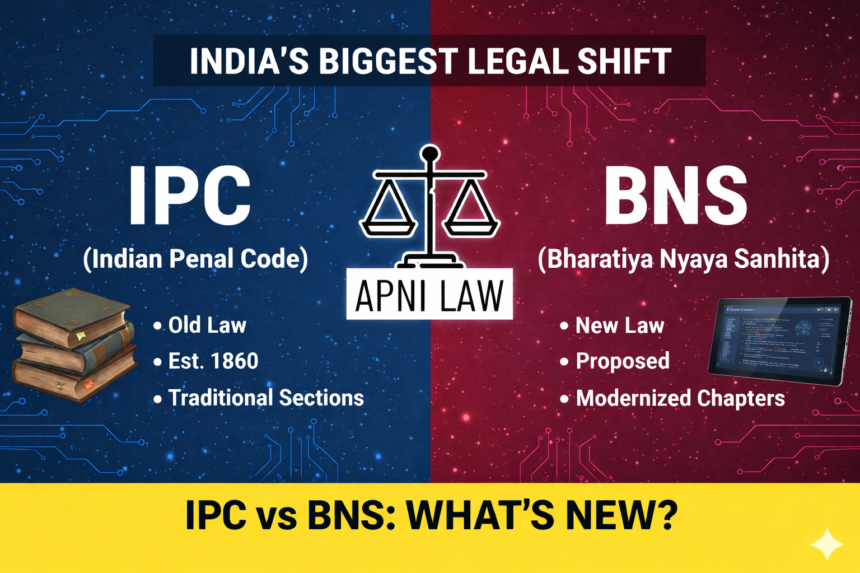
Section 202 of the Bharatiya Nyaya Sanhita, 2023, directly replaces Section 228 of the Indian Penal Code, 1860, and both provisions deal with the same offence of intentional insult or interruption to a public servant during judicial proceedings. The legislature retained the core offence to ensure continuity in protecting the authority and dignity of courts. While the numbering and fine amount have changed under the BNS, the substance of the offence remains largely identical, ensuring that past judicial interpretations under the IPC continue to guide courts under the new law.
What Conduct Does Section 202 BNS and Section 228 IPC Criminalize?
Both Section 202 BNS and Section 228 IPC criminalize deliberate acts that insult or interrupt a public servant who is sitting in any stage of a judicial proceeding. The law covers judges, magistrates, and other public servants legally empowered to conduct judicial functions. The offence applies during trials, inquiries, hearings, or any formal judicial process. Courts require proof that the accused engaged in conduct that actually disrupted proceedings or insulted the authority of the court, rather than mere disagreement or emotional reaction.
Why Is Intent a Crucial Element Under Both Provisions?
Intent forms the backbone of liability under both Section 202 BNS and Section 228 IPC. The prosecution must prove that the accused acted deliberately and consciously, with knowledge that the conduct would insult or interrupt the court. Courts consistently hold that a judge’s personal feeling of being offended does not automatically establish guilt. The law demands evidence of mens rea combined with an overt act. Accidental remarks, misunderstandings, or unintentional disruptions do not satisfy this requirement.
How Does the Punishment Under Section 202 BNS Compare With Section 228 IPC?
The punishment under Section 202 BNS mirrors Section 228 IPC in terms of imprisonment but updates the fine to reflect present-day realities. Both provisions prescribe simple imprisonment for a term that may extend to six months. Under the IPC, the maximum fine stood at one thousand rupees, which had become outdated. The BNS enhances the fine to five thousand rupees, while retaining the option of imposing imprisonment, a fine, or both. This change signals legislative intent to modernize penalties without expanding criminal liability.
Has the Scope of the Offence Changed Under the Bharatiya Nyaya Sanhita?
The scope of the offence remains unchanged under Section 202 BNS. The legislature did not widen the definition or include new categories of conduct. The offence continues to focus narrowly on maintaining courtroom discipline and respect for judicial authority. The continuity ensures that criticism of judicial actions, lawful advocacy, or firm legal argument does not fall within the offence unless it crosses the line into intentional insult or obstruction.
What Is the Classification of the Offence Under Both Laws?
Under both Section 202 BNS and Section 228 IPC, the offence is generally bailable and non-cognizable, meaning the police usually require court permission to arrest or investigate. In some states, local amendments or notifications may treat the offence as cognizable. Courts typically try the offence summarily or through the same court where the incident occurred, reinforcing swift correction of courtroom misconduct rather than prolonged criminal proceedings.
What Defences Are Available to an Accused Person?
An accused person may rely on several defences under both provisions. The most common defence involves the absence of intent, where the conduct lacked deliberate insult or disruption. Another defence arises when the alleged act occurred outside a judicial proceeding. Lawful criticism, respectful dissent, or protected speech made in good faith does not amount to an offence. Courts carefully balance the need to preserve judicial dignity with the constitutional right to free expression.
How Have Courts Interpreted Section 228 IPC and How Does It Apply to Section 202 BNS?
Judicial interpretations under Section 228 IPC continue to guide courts applying Section 202 BNS. The Supreme Court and various High Courts have repeatedly emphasized that the offence must not become a tool to silence advocates or litigants. Courts insist on strict proof of intent and conduct that objectively interferes with judicial proceedings. These principles apply seamlessly under the BNS, ensuring legal continuity and predictability.
Conclusion
Section 202 BNS plays a vital role in preserving the authority and orderly functioning of courts in India. By carrying forward Section 228 IPC with minimal changes, the law reinforces respect for judicial proceedings while adapting penalties to contemporary conditions. The provision strikes a careful balance between discipline and democratic freedoms, ensuring that justice administration proceeds without intimidation, obstruction, or deliberate disrespect.