Why Is the Examination of the Complainant Important in Private Complaints?
In criminal law, not every case begins with a police investigation. Sometimes, an individual directly approaches the Magistrate with a private complaint. In such situations, the court must first verify whether the complaint deserves judicial action.
This verification happens through the examination of the complainant. It is a crucial safeguard. It prevents misuse of the criminal process while allowing genuine grievances to move forward.
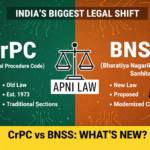
Earlier, this stage was governed by Section 200 of the Criminal Procedure Code, 1973 (CrPC). Under the new criminal law framework, Section 223 of the Bharatiya Nagarik Suraksha Sanhita, 2023 (BNSS) now applies.
What Did Section 200 CrPC Provide?
Section 200 CrPC required a Magistrate to examine the complainant and the witnesses present, if any, upon receiving a private complaint.
The examination took place on oath. The Magistrate then reduced the substance of the statements into writing. Both the complainant and the Magistrate signed this record.
The purpose was simple. The court needed to ensure that the complaint disclosed a prima facie offence before issuing process against the accused.
Why Was This Examination Necessary Under CrPC?
Private complaints carry a higher risk of personal vendetta or false allegations. Unlike police cases, they do not go through initial investigation filters.
Therefore, Section 200 CrPC acted as a judicial checkpoint. It allowed the Magistrate to assess credibility, seriousness, and basic truthfulness at an early stage.
This step protected innocent persons from unnecessary harassment.
What Changes Does Section 223 BNSS Introduce?
Section 223 BNSS retains the core structure of Section 200 CrPC. The Magistrate must still examine the complainant and witnesses on oath.
However, BNSS emphasizes procedural clarity and accountability. Magistrates are encouraged to conduct this examination more thoughtfully, rather than mechanically.
The provision fits into BNSS’s broader objective of making criminal proceedings more efficient and rights-oriented.
Does Section 223 BNSS Alter the Magistrate’s Role?
The Magistrate’s role remains fundamentally the same. Judicial discretion continues to guide the process.
At the same time, BNSS subtly reinforces the Magistrate’s responsibility as a gatekeeper. Courts are expected to carefully evaluate whether the complaint justifies moving forward.
This approach discourages casual issuance of summons.
How Is Examination Conducted Under Section 223 BNSS?
The examination still takes place on oath. The Magistrate records the substance of what the complainant states.
Importantly, BNSS allows flexibility in recording methods. This aligns with modern judicial practices and technological integration.
Despite procedural updates, the focus remains on truth verification.
What Is the Key Difference Between Section 200 CrPC and Section 223 BNSS?
The difference lies more in legislative intent than in wording.
Section 200 CrPC functioned well but relied heavily on judicial prudence. Section 223 BNSS strengthens that prudence by embedding it within a reformed procedural framework.
Thus, BNSS moves from tradition to structured modernization.
How Does This Stage Affect the Accused?
At this stage, the accused is usually not present. Yet, the consequences are serious.
Once the Magistrate finds sufficient ground after examination, summons or warrants may follow. Therefore, careful scrutiny at this stage directly protects personal liberty.
BNSS recognizes this impact and reinforces cautious decision-making.
What Options Does the Magistrate Have After Examination?
After examining the complainant, the Magistrate may take different paths.
The court may issue process if satisfied. Alternatively, it may postpone the issue of process and order further inquiry. In some cases, the complaint may be dismissed.
This flexibility ensures fairness and judicial balance.
Why Is Section 223 BNSS Significant for Private Litigants?
For complainants, Section 223 BNSS offers clarity. It assures them that their grievance will receive judicial attention if it is genuine.
At the same time, the provision discourages misuse. Frivolous complaints are less likely to survive careful examination.
Thus, the system becomes more trustworthy.
What Is the Broader Legal Impact of This Change?
By strengthening early-stage scrutiny, BNSS reduces unnecessary criminal trials. Courts save time, and litigants face fewer delays.
Lawyers must now draft clearer and more responsible complaints. This improves overall legal practice.
In effect, Section 223 BNSS enhances procedural discipline without limiting access to justice.
Conclusion
Section 200 CrPC laid down the foundation for examining complainants in private complaints. Section 223 BNSS carries this forward with greater procedural awareness and accountability. While the Magistrate’s powers remain intact, their role as a judicial filter becomes more pronounced. Examination of the complainant under BNSS is not a mere formality; it is a vital safeguard that protects both justice and liberty in India’s evolving criminal process.